Understanding PTSD: A Journey Towards Healing
Post-Traumatic Stress Disorder (PTSD) is a profound psychological condition that emerges after experiencing or witnessing a traumatic event. It's a journey that many individuals embark upon, often feeling isolated and misunderstood. This article aims to explore the symptoms, causes, and treatment options for PTSD, weaving together personal stories and professional insights to offer a comprehensive understanding of this complex condition.
Symptoms of PTSD: The Silent Struggles
PTSD manifests in a variety of ways, often disrupting the individual's daily life and sense of well-being. Common symptoms include:
Intrusive Memories: Recurrent, unwanted memories of the traumatic event, flashbacks, and nightmares that can feel as vivid as the day they occurred.
Avoidance: Steering clear of places, activities, or people that remind one of the trauma, leading to significant changes in one's life and routines.
Negative Changes in Thinking and Mood: Persistent feelings of hopelessness, detachment from loved ones, and loss of interest in activities once enjoyed.
Changes in Physical and Emotional Reactions: Being easily startled, feeling tense or on edge, experiencing difficulty sleeping, and having angry outbursts.
Causes of PTSD: The Roots of Trauma
PTSD can stem from a variety of traumatic experiences, including but not limited to:
Combat Exposure: Veterans often experience PTSD due to the extreme stress and life-threatening situations encountered during military service.
Childhood Abuse: Early-life trauma, such as physical, emotional, or sexual abuse, can leave lasting scars that manifest as PTSD in adulthood.
Accidents and Natural Disasters: Surviving car accidents, natural disasters, or other catastrophic events can trigger PTSD.
Violence and Assault: Victims of physical assault, robbery, or domestic violence may develop PTSD as a result.
Treatment Options: Pathways to Healing
Healing from PTSD is a multifaceted process, often requiring a combination of therapies and holistic approaches:
Psychotherapy: Cognitive Behavioral Therapy (CBT) and Eye Movement Desensitization and Reprocessing (EMDR) are evidence-based therapies that have shown significant effectiveness in treating PTSD. These therapies help individuals process their trauma and develop healthier coping mechanisms.
Medication: Antidepressants and anti-anxiety medications can help manage symptoms, making it easier for individuals to engage in therapy and daily activities.
Holistic Approaches: Incorporating practices such as yoga, meditation, and mindfulness can promote a sense of inner peace and grounding. These practices help align the body's energy and foster a deeper connection to the present moment.
Support Groups: Connecting with others who have experienced similar traumas can provide a sense of community and understanding, reducing feelings of isolation.
Personal Stories: Voices of Resilience
Hearing from those who have walked the path of PTSD can offer hope and inspiration. One such story is that of Sarah, a survivor of childhood abuse. Through a combination of EMDR therapy and mindfulness practices, Sarah has learned to navigate her triggers and reclaim her life. Her journey is a testament to the resilience of the human spirit and the power of holistic healing.
Professional Insights: Bridging Science and Spirit
Dr. John, a renowned psychotherapist specializing in trauma, emphasizes the importance of integrating traditional psychotherapy with holistic approaches. "Healing from PTSD is not just about addressing the mind," he says. "It's about nurturing the whole self – mind, body, and spirit. Practices like meditation and chakra healing can complement traditional therapies, offering a more comprehensive path to recovery."
Conclusion: Embracing the Healing Journey
Understanding PTSD is the first step towards healing. By recognizing the symptoms, acknowledging the causes, and exploring the various treatment options, individuals can embark on a journey of self-discovery and recovery. Remember, healing is not a linear process, but with the right support and tools, it is entirely possible to move from a place of trauma to one of holistic wellness and spiritual awakening.
*C.J. Hamilton is an Internationally Certified Alternative Healing & Mental Health Practitioner, specialized in the integration of Spirituality & Psychotherapy, a Medical Astrologist, and an accredited member of the International Association of Therapists. With a passion for holistic wellness, C.J. provides insightful guidance to help individuals align their lives with their authentic selves, fostering harmony and balance.
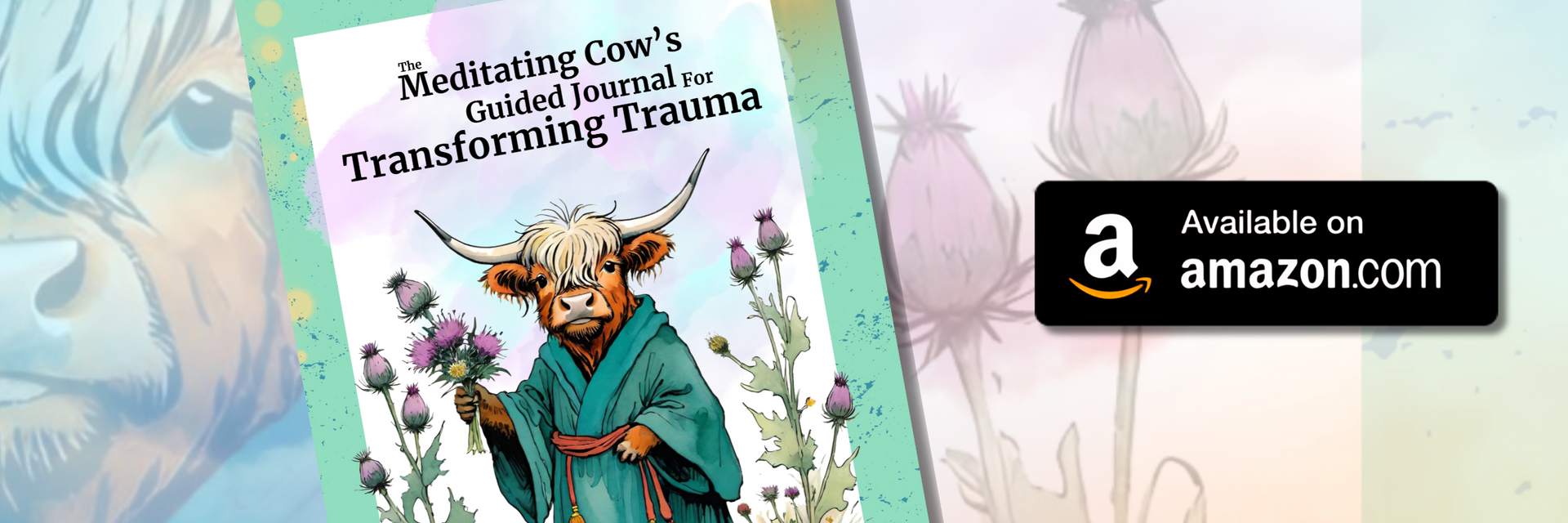
At Airmid Alternative Healing Arts, we offer a holistic approach to healing and personal growth. Our alternative healing arts and services are designed to help you find balance, clarity, and inner peace. Let us guide you on your journey to a more fulfilling and heart-centered life.
share this
Related Articles
Related Articles