Spirituality

In the digital age of the 21st century world, the concept of presence often feels elusive. Presence is the state of being fully engaged and aware of the current moment, free from the distractions of past regrets or future anxieties. It is a profound connection to the now, where life truly unfolds. By embracing presence, we open ourselves to the richness and depth of each moment, experiencing life in its fullest and most authentic form. Presence offers a sanctuary from the chaos of modern life. It invites us to slow down, breathe, and truly notice the world around us. In the present moment, we find clarity, peace, and a sense of grounding. It is a space where we can reconnect with our inner selves, cultivate gratitude, and foster a deeper appreciation for the simple joys of life. The power of presence lies in its ability to transform ordinary experiences into extraordinary ones, simply by shifting our awareness. The present moment is a treasure trove of possibilities. It holds the potential for deep connection, creativity, and personal growth. When we anchor ourselves in the now, we become more attuned to our emotions, thoughts, and surroundings. This heightened awareness allows us to respond to life's challenges with greater wisdom and compassion. By embracing presence, we embark on a journey of self-discovery and holistic wellness, nurturing our mind, body, and spirit. The Science of Presence Scientific research has shown that practicing presence can have profound effects on our mental and emotional well-being. Mindfulness, a key component of presence, has been extensively studied for its benefits. It has been found to reduce stress, anxiety, and depression, while enhancing cognitive function, emotional regulation, and overall life satisfaction. When we practice being in the present moment, we activate the prefrontal cortex, the part of the brain responsible for executive functions such as decision-making, attention, and self-control. Conversely, a lifestyle dominated by busyness and an obsession with task lists can lead to chronic stress and burnout. When we are constantly consumed with "what's next," we disconnect from the present moment and miss out on the richness of life. This state of perpetual busyness activates the body's stress response, leading to increased levels of cortisol and other stress hormones. Over time, this can take a toll on our physical and mental health, diminishing our capacity for joy and fulfillment. The psychotherapeutic effects of presence are profound. By cultivating mindfulness and presence, we can break free from the cycle of busyness and reconnect with our true selves. Presence allows us to observe our thoughts and emotions without judgment, creating a space for self-compassion and healing. It empowers us to let go of the need for constant productivity and embrace a more balanced and fulfilling way of living. Through simple shifts, we can transform our relationship with time and experience life with greater depth and meaning. Simple Shifts for Deeper Presence 1. Mindful Breathing: Begin each day with a few minutes of mindful breathing. Inhale deeply, hold for a moment, and exhale slowly. This practice centers your mind and body, anchoring you in the present moment. Throughout the day, return to your breath whenever you feel overwhelmed or distracted. 2. Gratitude Practice: Cultivate a daily gratitude practice by writing down three things you are grateful for each day. This simple shift shifts your focus from what is lacking to what is abundant in your life. Gratitude enhances your awareness of the present moment and fosters a sense of appreciation and contentment. 3. Body Awareness: Tune into the sensations in your body. Notice the feeling of your feet on the ground, the warmth of the sun on your skin, or the rhythm of your heartbeat. By bringing your awareness to your physical sensations, you ground yourself in the present and cultivate a deeper connection to your body. 4. Single-Tasking: Embrace the art of single-tasking by focusing on one task at a time. Give it your full attention and immerse yourself in the experience. This practice enhances your presence and allows you to engage more deeply with each activity, fostering a sense of flow and fulfillment. 5. Nature Connection: Spend time in nature and observe your surroundings with a sense of wonder and curiosity. Notice the colors, sounds, and textures of the natural world. Nature has a calming and grounding effect, helping you reconnect with the present moment and the interconnectedness of all life. 6. Listening Deeply: Practice active listening in your interactions with others. Give your full attention to the person speaking, without planning your response or getting distracted. Deep listening fosters genuine connection and presence in your relationships, enhancing empathy and understanding. 7. Digital Detox: Set aside specific times each day to disconnect from digital devices. Use this time to engage in activities that nourish your soul, such as reading, journaling, or spending time with loved ones. Reducing screen time helps you reconnect with the present moment and reduces mental clutter. It allows your mind to rest and rejuvenate, which is essential for maintaining overall mental and emotional well-being. Engaging in activities that nourish your soul during this time can also help you cultivate a deeper sense of joy, gratitude, and inner peace. Conversely, a lifestyle dominated by busyness and constant digital engagement can lead to chronic stress, burnout, and a sense of disconnection from ourselves and others. The incessant influx of information and stimuli can overwhelm our nervous system, making it challenging to find moments of stillness and clarity. This is where the practice of presence becomes essential, offering a counterbalance to the demands of modern life. Practical Steps to Cultivate Presence To cultivate presence, it is helpful to integrate mindful practices into our daily routines. Simple activities such as mindful breathing, meditation, and yoga can anchor us in the present moment, fostering a sense of calm and centeredness. Additionally, setting aside time for digital detoxes, as mentioned earlier, can create space for introspection and meaningful connections. Engaging in creative pursuits, spending time in nature, and practicing gratitude are other powerful ways to enhance our awareness and appreciation of the now. Embracing Presence for Holistic Wellness Ultimately, embracing presence is a journey towards holistic wellness. It is about nurturing a harmonious balance between our mind, body, and spirit. By being fully present, we can experience life more vividly, connect more deeply with others, and navigate challenges with greater resilience. Presence allows us to savor the beauty of each moment, fostering a profound sense of fulfillment and joy. As we cultivate this practice, we not only enhance our own well-being but also create a ripple effect of positivity and mindfulness in the world around us. In conclusion, the power of presence lies in its simplicity and accessibility. It is an invitation to slow down, breathe, and truly engage with the world around us. By embracing the present moment, we unlock the potential for deeper connections, greater creativity, and a more fulfilling life. Let us embark on this journey of presence, nurturing our holistic wellness and experiencing the richness of life in its fullest and most authentic form. *C.J. Hamilton is an Internationally Certified Alternative Healing & Mental Health Practitioner, specialized in the integration of Spirituality & Psychotherapy, a Medical Astrologist, and an accredited member of the International Association of Therapists. With a passion for holistic wellness, C.J. provides insightful guidance to help individuals align their lives with their authentic selves, fostering harmony and balance.

Trauma is an emotional response to a deeply distressing or disturbing experience. It can manifest from various sources such as physical injury, emotional abuse, natural disasters, or witnessing violence. The impacts of trauma are far-reaching, affecting not only the mind and body but also the spirit. Trauma can lead to a range of symptoms including anxiety, depression, dissociation, and a sense of disconnection from oneself and the world. In the realm of spirituality, healing from trauma is seen as a journey towards wholeness. Spiritual practices and beliefs offer a unique pathway for individuals to process their trauma, find meaning in their suffering, and reclaim their sense of self. This holistic approach integrates the mind, body, and spirit, fostering deep and lasting healing. Rituals as Healing Practices Rituals play a significant role in spiritual trauma healing. They provide a structured and sacred space for individuals to confront and release their pain. Rituals can range from simple daily practices like meditation and prayer to more elaborate ceremonies involving community participation. These practices help individuals to ground themselves, connect with their inner selves, and find solace in the presence of a higher power or universal energy. For instance, meditation allows individuals to quiet their minds and enter a state of deep relaxation. This practice can help to reduce symptoms of anxiety and depression by fostering a sense of inner peace and stability. Prayer, on the other hand, can be a powerful tool for individuals to express their fears, hopes, and gratitude, fostering a sense of connection and support from a higher power. Community Support and Connection Community support is another crucial element in spiritual trauma healing. Being part of a supportive community allows individuals to share their experiences, receive validation, and feel less isolated in their suffering. Spiritual communities often provide a safe and nurturing environment where individuals can find empathy, compassion, and encouragement. Support groups, spiritual gatherings, and communal rituals can all serve as platforms for individuals to connect with others who are on similar healing journeys. These connections can foster a sense of belonging and provide a network of support that is vital for healing. The shared experience of spirituality can create a strong bond among community members, helping individuals to feel understood and supported. Role of Spiritual Guides and Mentors Spiritual guides and mentors can play an invaluable role in the healing journey from trauma. These individuals, often experienced in spiritual practices and teachings, can provide guidance, support, and wisdom. They help trauma survivors navigate their spiritual path, offering insights and techniques to facilitate healing. Whether through one-on-one sessions, group teachings, or written works, spiritual mentors can illuminate the way towards wholeness, helping individuals reconnect with their higher selves and find meaning in their experiences. The Power of Nature in Healing Nature has a profound ability to heal and restore balance, making it a powerful ally in spiritual trauma recovery. Spending time in natural settings, whether it's a forest, beach, or mountain, can help individuals reconnect with the earth's energy and find solace. Nature-based spiritual practices, such as grounding (walking barefoot on the earth) or forest bathing (immersing oneself in a forest environment), can reduce stress, enhance mood, and promote a sense of interconnectedness with all living things. These practices remind individuals of their place in the larger web of life, fostering a sense of belonging and peace. Chakra Healing and Energy Alignment Chakra healing is an ancient practice that focuses on balancing the body's energy centers to promote overall well-being. Trauma can disrupt the flow of energy within the chakras, leading to physical, emotional, and spiritual imbalances. By working with the chakras through practices like Reiki, yoga, or guided visualization, individuals can release blocked energy, restore harmony, and enhance their healing process. Aligning the chakras not only helps in alleviating trauma symptoms but also fosters a deeper connection to one's inner self and the universe. The Role of Sacred Texts and Teachings Sacred texts and spiritual teachings can offer profound insights and comfort to those healing from trauma. Whether it's the Bhagavad Gita, the Bible, the Tao Te Ching, or other spiritual writings, these texts provide wisdom, hope, and guidance. They remind individuals that suffering is a part of the human experience and that there is a path towards healing and enlightenment. Engaging with these teachings can inspire individuals to cultivate resilience, compassion, and a deeper understanding of their spiritual journey. Integration of Mind, Body, and Spirit The integration of mind, body, and spirit is essential for holistic trauma healing. Practices that address all three aspects, such as yoga, tai chi, or holistic therapies, can create a synergistic effect, enhancing the healing process. Yoga, for instance, combines physical postures, breathwork, and meditation to promote physical health, mental clarity, and spiritual growth. By integrating these practices into daily life, individuals can create a balanced and harmonious state of being, fostering a sense of wholeness and well-being. Finding Meaning in Suffering One of the most profound aspects of spiritual trauma healing is the ability to find meaning in suffering. Spiritual beliefs often provide a framework for understanding and interpreting traumatic experiences. This can help individuals to reframe their trauma, seeing it not as a source of perpetual pain but as an opportunity for growth and transformation. For many, spiritual beliefs offer the perspective that suffering is a part of the human experience and can lead to greater wisdom and compassion. This perspective can foster resilience, helping individuals to navigate their healing journey with a sense of purpose and hope. Practices such as journaling, art therapy, and storytelling can also aid in this process, allowing individuals to express and make sense of their experiences. In conclusion, the integration of spirituality and psychotherapy offers a powerful and holistic approach to trauma healing. By embracing rituals, community support, and finding meaning in suffering, individuals can embark on a transformative journey towards healing and wholeness. This journey is not just about overcoming trauma but also about rediscovering one’s inner strength, wisdom, and connection to the greater whole. *C.J. Hamilton is an Internationally Certified Alternative Healing & Mental Health Practitioner, specialized in the integration of Spirituality & Psychotherapy, a Medical Astrologist, and an accredited member of the International Association of Therapists. With a passion for holistic wellness, C.J. provides insightful guidance to help individuals align their lives with their authentic selves, fostering harmony and balance.

In a world that often values conformity over individuality, the journey to authentic self-expression can feel like an uphill battle. Yet, the pursuit of authenticity is one of the most rewarding paths to personal fulfillment and holistic wellness. It’s about peeling away the layers of societal expectations, unearthing your true self, and allowing that self to shine brightly in all its unique glory. This process of self-discovery is akin to a spiritual awakening, where you begin to recognize and honor your true essence. As you strip away the masks and roles imposed by society, you start to resonate with your inner truth, experiencing a profound sense of liberation and empowerment. This journey requires courage and vulnerability, as it often involves confronting deep-seated fears and insecurities. However, the reward is a life lived in alignment with your highest self, where your actions, thoughts, and emotions are in harmony. This alignment not only enhances your mental and emotional well-being but also radiates outward, positively influencing your relationships and the world around you. Understanding Authenticity Authenticity is more than just a buzzword; it’s a profound state of being. It involves a deep alignment between your inner values and outward actions. When you live authentically, you act in congruence with your true beliefs, desires, and emotions, rather than merely conforming to external pressures. This alignment fosters a sense of integrity and inner peace, reducing the dissonance that often leads to anxiety and depression. Moreover, embracing authenticity can be a transformative journey of self-discovery and growth. It encourages you to delve into your innermost thoughts and feelings, fostering a deeper connection with your true self. This journey often involves shedding old habits and beliefs that no longer serve you, making space for new, more aligned ways of being. As you cultivate authenticity, you not only enhance your own well-being but also inspire others to do the same, creating a ripple effect of positive change. Authentic living allows you to experience life more fully and meaningfully, as you navigate the world with a clear sense of purpose and self-awareness. The Barriers to Authenticity Many people struggle to express their authentic selves due to fear of rejection or judgment. From a young age, we’re conditioned to seek approval from others, often at the expense of our true selves. This societal conditioning can create a false self, a persona that we present to the world to fit in or gain acceptance. Over time, this can lead to a disconnection from our authentic selves, causing emotional and psychological distress. Additionally, the pervasive influence of social media and cultural norms can exacerbate these barriers. Constant exposure to curated images and idealized lifestyles can lead to unrealistic comparisons and a sense of inadequacy. This external noise drowns out our inner voice, making it even more challenging to stay true to ourselves. Moreover, the fear of vulnerability keeps us locked in a cycle of self-censorship, where expressing our true thoughts and feelings seems too risky. Breaking free from these barriers requires conscious effort and a willingness to embrace vulnerability, allowing us to reconnect with our authentic selves and experience genuine fulfillment. The Psychotherapeutic Perspective From a psychotherapeutic standpoint, reclaiming authenticity involves a process of self-discovery and healing. It requires introspection, honesty, and often, professional guidance. Therapy can help individuals explore their true selves, uncovering the layers of conditioning and fear that obscure their authenticity. Techniques such as cognitive-behavioral therapy (CBT), mindfulness, and expressive arts therapy can be particularly effective in this journey. In addition to these techniques, psychotherapists often emphasize the importance of creating a safe and non-judgmental space for their clients. This environment allows individuals to explore their thoughts and feelings without fear of rejection or criticism. Through this supportive relationship, clients can begin to challenge and reframe limiting beliefs, gradually building the confidence to express their true selves. The therapeutic process also encourages self-compassion, helping individuals to accept and embrace their imperfections as part of their authentic identity. Furthermore, therapy can offer valuable tools for navigating the complexities of social interactions while maintaining authenticity. By developing better communication skills and emotional resilience, individuals can learn to assert their true selves in various contexts, from personal relationships to professional settings. This holistic approach not only fosters personal growth but also enhances overall well-being, as living authentically aligns one's actions with their deepest values and desires. The journey towards authenticity, though challenging, ultimately leads to a more fulfilling and harmonious life. Holistic Approaches to Authentic Self-Expression Holistic wellness emphasizes the interconnectedness of mind, body, and spirit. To truly express your authentic self, it’s essential to nurture all aspects of your being. Practices such as meditation, yoga, and chakra healing can help align your energy and foster a deeper connection with your true self. For instance, working with the throat chakra, which governs communication and self-expression, can be particularly beneficial in overcoming fears of judgment and finding your authentic voice. Therapeutic guided journaling and inner reflection journaling are powerful tools in this holistic approach. These practices encourage you to delve deep into your thoughts, emotions, and experiences, providing a safe space for self-discovery and healing. By regularly documenting your inner world, you can uncover patterns and beliefs that may be hindering your authentic self-expression. This process of introspection not only enhances self-awareness but also facilitates personal transformation, as you begin to release old narratives and embrace new, empowering perspectives. Engaging in self-discovery and life purpose work, often supported by personal transformation breakthrough coaching, can be instrumental in this journey. Coaches can provide guidance and support, helping you to identify your core values, passions, and life goals. This clarity can lead to profound shifts in how you perceive yourself and your place in the world. By aligning your actions with your true purpose, you can experience a deeper sense of fulfillment and authenticity. The combination of these holistic practices creates a comprehensive framework for nurturing and expressing your true self, ultimately leading to a more harmonious and enriched life. Empowering Your Authentic Self Embracing authenticity is an empowering act of self-love and courage. It involves setting boundaries, practicing self-compassion, and allowing yourself to be vulnerable. Remember, authenticity doesn’t mean perfection; it means being real, embracing your flaws, and celebrating your unique journey. Surround yourself with supportive individuals who appreciate your true self and encourage your growth. Another vital aspect of empowering your authentic self is engaging in practices that promote self-awareness and personal growth. This can include mindfulness meditation, which helps you stay present and connected to your inner truth, and creative expression, such as art, music, or writing, which allows you to communicate your inner experiences. Additionally, seeking guidance through therapy or coaching can provide valuable insights and tools to navigate life's challenges while staying true to yourself. By continually exploring and nurturing your inner world, you create a solid foundation for living authentically and courageously. Conclusion The truth about authenticity and authentic self-expression is that it’s a lifelong journey, one that requires courage, introspection, and a commitment to holistic wellness. By aligning your inner values with your outward actions, you can cultivate a life of integrity, fulfillment, and profound personal growth. Embrace your true self, and let your authentic light shine brightly in the world. *C.J. Hamilton is an Internationally Certified Alternative Healing & Mental Health Practitioner, specialized in the integration of Spirituality & Psychotherapy, a Medical Astrologist, and an accredited member of the International Association of Therapists. With a passion for holistic wellness, C.J. provides insightful guidance to help individuals align their lives with their authentic selves, fostering harmony and balance.

In the journey toward ultimate enlightenment and spiritual awakening, one encounters numerous distractions and obstacles. Among these, conspiracy theories stand out as particularly insidious, feeding division and paranoia while leading individuals away from the path of clarity and inner peace. Esteemed spiritual teachers, philosophers, and enlightened thinkers have long emphasized the importance of discernment, critical thinking, and maintaining a peaceful mind in the quest for truth. Conspiracy theories, with their alluring narratives and sensational claims, can easily captivate the mind. They often prey on our deepest fears and uncertainties, creating a fertile ground for mistrust and suspicion. This can lead to a fragmented sense of reality, where the lines between truth and fiction become blurred. The psychological impact is profound, as individuals may become isolated from their communities, friends, and even family members who do not share their beliefs. This isolation can foster a sense of alienation and loneliness, which are significant barriers to spiritual growth and enlightenment. Moreover, the widespread dissemination of conspiracy theories through social media and other digital platforms has amplified their reach and impact. These theories can spread like wildfire, influencing the collective consciousness and sowing seeds of discord on a global scale. This not only disrupts social harmony but also diverts energy and attention away from constructive and positive pursuits. In the context of spiritual awakening, this diversion can be particularly detrimental, as it pulls individuals away from practices that cultivate inner peace, such as meditation, mindfulness, and compassionate living. In addition, the emotional toll of engaging with conspiracy theories can be considerable. The constant exposure to fear-based narratives can lead to heightened anxiety, stress, and a pervasive sense of insecurity. This emotional turbulence can hinder one's ability to maintain a balanced and harmonious state of being, which is essential for true spiritual progress. Esteemed spiritual guides remind us that the journey to enlightenment requires a clear and focused mind, free from the distortions of fear and paranoia. By practicing discernment and grounding ourselves in love and truth, we can navigate these challenges and continue our path toward ultimate enlightenment. The Wisdom of Spiritual Teachers Eckhart Tolle, a renowned spiritual teacher, often speaks about the importance of staying present and not getting lost in the mind's narratives, including conspiracy theories. He suggests that these theories can be a distraction from the present moment and can feed the ego's need for drama and separation. By focusing on the now and cultivating a state of presence, we can avoid the mental traps that conspiracy theories set. The Dalai Lama, a beacon of compassion and understanding, advocates for seeking truth with a heart full of empathy. He emphasizes that while it's crucial to be informed, it's equally vital not to let fear or anger drive our beliefs. Conspiracy theories often thrive on fear and mistrust, which are antithetical to the principles of compassion and unity that the Dalai Lama teaches. Jiddu Krishnamurti, a philosopher and spiritual teacher, spoke extensively about the dangers of psychological conditioning and the importance of questioning everything, including our own thoughts and beliefs. He encouraged individuals to seek truth through direct experience and personal inquiry rather than blindly following any ideology or theory. This critical approach helps to dismantle the allure of conspiracy theories, which often rely on unexamined acceptance. In Tibetan Buddhism, the concept of "right view" is central. This involves seeing things as they truly are, free from delusion and distortion. Conspiracy theories, by their very nature, distort reality and cloud our perception, creating unnecessary suffering and division. By cultivating right view, practitioners can navigate the world with clarity and wisdom. The Social Experiment: Birds Aren't Real A striking example of the power and peril of conspiracy theories is the "Birds Aren't Real" movement, started by Peter McIndoe. As a social experiment, McIndoe fabricated the idea that birds are not real but are actually surveillance drones created by the government. Despite eventually disclosing that the theory was entirely fictional and intended to illustrate how easily people can be misled, many continued to believe and propagate the theory. This experiment highlights a critical point: conspiracy theories often thrive because they tap into deep-seated fears and mistrust, leading people to overlook facts and avoid critical thinking. Even when presented with the truth, the allure of the conspiracy can be so strong that it overrides rational thought. This phenomenon underscores the importance of maintaining a clear and discerning mind, especially in the age of information overload. The Path to Enlightenment In the quest for ultimate enlightenment, it is essential to recognize the divisive and paranoid nature of conspiracy theories. These theories create a sense of "us versus them," fostering separation rather than unity. They feed on fear and mistrust, which are the antithesis of the love, compassion, and interconnectedness that enlightenment seeks to cultivate. By embracing the teachings of spiritual leaders and philosophers, we can develop the discernment and critical thinking necessary to see through the illusions that conspiracy theories create. This involves not only questioning external information but also examining our own beliefs and motivations. It requires a commitment to inner peace and a willingness to let go of the ego's need for drama and separation. In conclusion, conspiracy theories have no place in the quest for ultimate enlightenment and spiritual awakening. They distract us from the present moment, feed division and paranoia, and lead us away from the path of clarity and inner peace. By cultivating discernment, critical thinking, and compassion, we can navigate the world with wisdom and grace, remaining steadfast on our journey toward enlightenment. *C.J. Hamilton is an Internationally Certified Alternative Healing & Mental Health Practitioner, specialized in the integration of Spirituality & Psychotherapy, a Medical Astrologist, and an accredited member of the International Association of Therapists. With a passion for holistic wellness, C.J. provides insightful guidance to help individuals align their lives with their authentic selves, fostering harmony and balance.

In the hustle and bustle of our daily lives, finding mental clarity can feel like a distant dream. However, by setting intentions and engaging in spiritual practices, we can cultivate a sense of purpose and emotional stability that helps us navigate life's challenges with greater ease. The Importance of Setting Intentions Setting intentions is more than just making a wish or stating a goal. It is a deliberate and conscious act of aligning your thoughts, emotions, and actions with your deepest desires and values. When we set intentions, we create a roadmap for our lives, guiding us toward our true purpose and helping us stay focused on what truly matters. Intentions serve as a powerful reminder of our aspirations and help us maintain a positive mindset. Unlike goals, which are often future-oriented and result-driven, intentions are about the present moment. They encourage us to live mindfully and make choices that are in harmony with our inner selves. Meditation: Cultivating Inner Peace Meditation is one of the most effective spiritual practices for achieving mental clarity. By quieting the mind and focusing on the breath, we create a space for introspection and self-awareness. Meditation allows us to observe our thoughts without judgment, helping us understand our mental patterns and release negative emotions. Regular meditation practice can reduce stress, improve concentration, and enhance emotional well-being. It helps us connect with our inner selves and fosters a sense of inner peace that transcends the chaos of everyday life. By setting an intention before meditation, we can direct our focus and energy toward specific areas of our lives that need healing or growth. Visualization: Manifesting Your Desires Visualization is a powerful technique that involves creating mental images of your desired outcomes. By vividly imagining your goals and aspirations, you can harness the power of your subconscious mind to bring them into reality. Visualization helps you stay motivated and focused, reinforcing your intentions and making them more tangible. When practicing visualization, it's essential to engage all your senses and emotions. Feel the joy, excitement, and fulfillment of achieving your goals as if they are already happening. This positive energy amplifies your intentions and attracts the resources and opportunities needed to manifest your desires. Affirmations: Reprogramming Your Mind Affirmations are positive statements that help reprogram your subconscious mind and replace negative thought patterns with empowering beliefs. By repeating affirmations daily, you can shift your mindset and cultivate a more optimistic and resilient outlook on life. When crafting affirmations, it's important to use present tense and positive language. For example, instead of saying, "I will not be stressed," say, "I am calm and peaceful." This reinforces the desired state of being and aligns your thoughts with your intentions. Affirmations can be integrated into various spiritual practices, such as meditation, journaling, or even during daily routines. By consistently affirming your intentions, you strengthen your mental clarity and emotional stability, paving the way for personal growth and transformation. Conclusion Setting intentions and engaging in spiritual practices like meditation, visualization, and affirmations are powerful tools for achieving mental clarity and emotional stability. These practices help us align with our true selves, cultivate inner peace, and manifest our deepest desires. By making these practices a part of our daily lives, we can navigate the complexities of the modern world with grace and purpose, ultimately leading to a more fulfilling and balanced existence. *C.J. Hamilton is an Internationally Certified Alternative Healing & Mental Health Practitioner, specialized in the integration of Spirituality & Psychotherapy, a Medical Astrologist, and an accredited member of the International Association of Therapists. With a passion for holistic wellness, C.J. provides insightful guidance to help individuals align their lives with their authentic selves, fostering harmony and balance.

In our fast-paced world, finding moments of tranquility and inner peace can be a challenge. Yet, the moments before we drift off to sleep offer a sacred opportunity to nurture our minds, bodies, and souls. Incorporating holistic bedtime rituals into our nightly routine can foster deep relaxation and emotional healing, paving the way for a restful night and a rejuvenated spirit. Here are some practices that can transform your bedtime into a spiritual journey of self-care. Guided Meditations for Deep Relaxation Meditation is a powerful tool for calming the mind and connecting with our inner selves. Guided meditations, in particular, can help ease the transition from the busyness of the day to a state of relaxation. Choose a meditation that resonates with you—perhaps one that focuses on breath awareness, body scanning, or visualization. As you lie in bed, let the soothing voice guide you into a state of deep relaxation, releasing any tension or stress accumulated throughout the day. This practice not only prepares your mind for restful sleep but also nurtures your soul by fostering a sense of inner peace and connection. Herbal Teas for Emotional Healing The ritual of sipping a warm cup of herbal tea before bed can be a comforting and grounding experience. Certain herbs have been used for centuries to promote relaxation and emotional well-being. Chamomile, lavender, and valerian root are renowned for their calming properties, helping to soothe the nervous system and prepare the body for sleep. As you sip your tea, take a moment to set an intention for the night—whether it's to release worries, invite peaceful dreams, or cultivate gratitude. This simple yet profound practice can become a cherished part of your bedtime routine, offering a gentle way to unwind and nurture your emotional health. Journaling Prompts for Reflection Journaling is a powerful way to process emotions, reflect on experiences, and gain insights into our inner world. Before bed, take a few moments to write in your journal. You can use specific prompts to guide your reflection, such as: - What am I grateful for today? - What emotions did I experience today, and how did I respond to them? - What lessons did I learn today? - What intentions do I want to set for tomorrow? By engaging in this reflective practice, you create a space for emotional healing and self-discovery. Writing down your thoughts and feelings can help release any lingering stress or anxiety, allowing you to enter a state of relaxation and readiness for sleep. Creating a Sacred Space Transforming your bedroom into a sanctuary can enhance the effectiveness of your bedtime rituals. Consider incorporating elements that promote a sense of peace and tranquility, such as soft lighting, calming scents, and soothing sounds. You might use essential oils like lavender or sandalwood in a diffuser, play gentle music or nature sounds, and ensure your bedding is comfortable and inviting. Creating a sacred space signals to your mind and body that it's time to unwind and prepare for rest, making your bedtime rituals even more powerful. Conclusion Embracing holistic bedtime self-care rituals can be a transformative practice, nurturing not only your body but also your mind and soul. By incorporating guided meditations, herbal teas, journaling prompts, and creating a sacred space, you can cultivate a nightly routine that promotes deep relaxation and emotional healing. As you embark on this spiritual journey of self-care, may you find peace, tranquility, and a deeper connection with your inner self. *C.J. Hamilton is an Internationally Certified Alternative Healing & Mental Health Practitioner, specialized in the integration of Spirituality & Psychotherapy, a Medical Astrologist, and an accredited member of the International Association of Therapists. With a passion for holistic wellness, C.J. provides insightful guidance to help individuals align their lives with their authentic selves, fostering harmony and balance.

Elephants have long been revered in various spiritual traditions for their profound wisdom, deep empathy, and remarkable compassion. These majestic creatures are often seen as symbols of strength, patience, and gentle power. In many cultures, they are considered sacred beings that hold the key to understanding deeper truths about our own nature. As we delve into the symbolism of elephants, especially in the context of Ganesh Chaturthi and the teachings of Lord Ganesha, we can uncover valuable lessons that inspire empathy and compassion in our daily lives. The Symbolism of Elephants in Spiritual Traditions In Hinduism, the elephant-headed deity Ganesha is one of the most beloved and widely worshipped gods. Ganesha, also known as the remover of obstacles, embodies wisdom, intellect, and new beginnings. His elephant head symbolizes the immense knowledge and understanding that one must possess to navigate life's challenges. Celebrated during Ganesh Chaturthi, devotees honor Ganesha's teachings and seek his blessings for prosperity and success. Beyond Hinduism, elephants hold significant spiritual symbolism in Buddhism, African traditions, and Native American cultures. In Buddhism, elephants are seen as symbols of mental strength and tranquility. The white elephant, in particular, is associated with the birth of Buddha and represents purity and enlightenment. African cultures often view elephants as symbols of community, loyalty, and leadership, while Native American traditions see them as totems of wisdom and strength. Empathy and Compassion: Core Qualities of Elephant Medicine Elephants are known for their strong social bonds and emotional intelligence. They exhibit behaviors that reflect deep empathy and compassion, such as mourning their dead, aiding injured members of their herd, and showing kindness to other species. These qualities are essential aspects of what is often referred to as "elephant medicine" – the spiritual and healing lessons we can learn from these gentle giants. Empathy: Elephants demonstrate empathy by understanding and sharing the feelings of others. They have been observed comforting distressed members of their herd and even extending their empathy to humans in need. This ability to connect emotionally with others is a powerful reminder for us to cultivate empathy in our own lives. By truly listening to and understanding the experiences of those around us, we can create deeper, more meaningful connections. Compassion: Compassion goes beyond empathy; it involves taking action to alleviate the suffering of others. Elephants show compassion through their cooperative behaviors and their willingness to help those in need. In our daily lives, practicing compassion means being proactive in offering support and kindness to others. Whether it's through small acts of kindness or larger efforts to make a difference, compassion can transform our relationships and communities. Lessons from Lord Ganesha Lord Ganesha's teachings provide a spiritual framework for understanding and embodying the qualities of empathy and compassion. Ganesha's large ears remind us to be good listeners, while his small mouth encourages us to speak less and listen more. His trunk, capable of performing both delicate and powerful tasks, symbolizes the importance of adaptability and strength in our actions. During Ganesh Chaturthi, devotees reflect on these teachings and seek to align their lives with the principles of empathy and compassion. By invoking Ganesha's blessings, we can overcome obstacles that hinder our ability to connect with others and cultivate a more compassionate heart. Applying Elephant Medicine in Our Lives To integrate the lessons of elephant medicine into our daily lives, we can start by practicing mindfulness and self-awareness. By being present in our interactions and tuning into the emotions of others, we can enhance our capacity for empathy. Additionally, engaging in regular acts of kindness and service can help us develop a compassionate mindset. Meditation and reflection are also powerful tools for deepening our understanding of empathy and compassion. By setting intentions to embody these qualities and visualizing ourselves acting with kindness, we can create a positive shift in our behavior and attitudes. Conclusion The symbolism of elephants in spiritual traditions offers profound insights into the nature of empathy and compassion. By learning from the behaviors and teachings of these magnificent creatures, we can inspire ourselves to lead more empathetic and compassionate lives. As we celebrate Ganesh Chaturthi and honor Lord Ganesha, let us embrace the lessons of elephant medicine and strive to create a world filled with understanding, kindness, and love. *C.J. Hamilton is an Internationally Certified Alternative Healing & Mental Health Practitioner, specialized in the integration of Spirituality & Psychotherapy, a Medical Astrologist, and an accredited member of the International Association of Therapists. With a passion for holistic wellness, C.J. provides insightful guidance to help individuals align their lives with their authentic selves, fostering harmony and balance.

Rosh Hashanah, the Jewish New Year, is a deeply significant and spiritually enriching time observed by Jewish communities around the world. It marks the beginning of the High Holy Days, a ten-day period of introspection and repentance that culminates in Yom Kippur, the Day of Atonement. This sacred holiday usually falls in September or early October, specifically on the first two days of the Hebrew month of Tishrei. In 2024, Rosh Hashanah will be observed from the evening of October 2nd to the evening of October 4th. What is Rosh Hashanah and Why is it Observed? Rosh Hashanah, which translates to "Head of the Year," is not just a celebration of the new year but a profound period of soul-searching and renewal. It is believed to be the anniversary of the creation of Adam and Eve, and thus, the birth of humanity. During this time, Jews reflect on their actions over the past year, seek forgiveness for their transgressions, and commit to personal growth and improvement in the year ahead. It is a time to reconnect with the divine, realign one's spiritual path, and set intentions for the future. Cultural Significance and Extensive History The cultural significance of Rosh Hashanah is vast, woven into the fabric of Jewish history and tradition. Its origins are rooted in the Torah, specifically in the book of Leviticus (23:23-25), where it is referred to as a day of rest, marked by the blowing of the shofar (ram's horn). Historically, Rosh Hashanah has evolved from a simple day of blowing the shofar to a complex and rich tapestry of rituals and prayers that emphasize repentance, prayer, and charity. The shofar, an ancient musical instrument made from a ram's horn, holds a central place in the observance of Rosh Hashanah. Its haunting and powerful blasts serve as a spiritual wake-up call, stirring the soul and prompting a return to righteousness. The shofar's sound is a call to self-examination and a reminder of the binding of Isaac, a story of faith and obedience found in the Torah. Relation to Other Cultural Observations and Celebrations Rosh Hashanah shares thematic elements with other cultural and religious celebrations that mark the new year, such as the Gregorian New Year, which is often a time for resolutions and fresh beginnings. However, unlike the secular celebration, Rosh Hashanah is deeply spiritual, focusing on repentance, renewal, and the divine judgment that is believed to take place during this period. Traditional Observations and Practices Traditional observations of Rosh Hashanah are rich with symbolism and ritual. One of the most iconic practices is the Tashlich ceremony, where individuals cast breadcrumbs into a flowing body of water, symbolizing the casting away of sins. This act of physical cleansing represents a spiritual purification, a fresh start for the new year. Another significant tradition is the festive meals shared with family and friends. These meals often include symbolic foods such as apples dipped in honey, representing the hope for a sweet new year. Pomegranates are also eaten, symbolizing the desire for a year filled with as many merits as the fruit has seeds. Round challah bread, baked with raisins, signifies the cyclical nature of the year and the continuity of life. Modern Observations and Practices In modern times, Rosh Hashanah continues to evolve, adapting to contemporary lifestyles while retaining its core spiritual essence. Many Jewish communities around the world now incorporate new traditions and practices, such as community service and charitable activities, reflecting the holiday's emphasis on tzedakah (charity) and social responsibility. Synagogue services remain a cornerstone of Rosh Hashanah observance, with prayers and readings from the Machzor (High Holy Day prayer book). These services often include the recitation of special liturgical poems called piyyutim, which add a rich, poetic dimension to the prayers. In recent years, some communities have also embraced virtual services, allowing those who cannot attend in person to participate in the spiritual experience. In conclusion, Rosh Hashanah is a time of profound spiritual awakening and renewal. It invites us to pause, reflect, and reconnect with our deepest values and aspirations. As we listen to the shofar's call and partake in the rich tapestry of traditions, we are reminded of the timeless wisdom of our ancestors and the enduring power of faith, repentance, and renewal. May this Rosh Hashanah bring you peace, clarity, and a renewed sense of purpose. *C.J. Hamilton is an Internationally Certified Alternative Healing & Mental Health Practitioner, specialized in the integration of Spirituality & Psychotherapy, a Medical Astrologist, and an accredited member of the International Association of Therapists. With a passion for holistic wellness, C.J. provides insightful guidance to help individuals align their lives with their authentic selves, fostering harmony and balance.
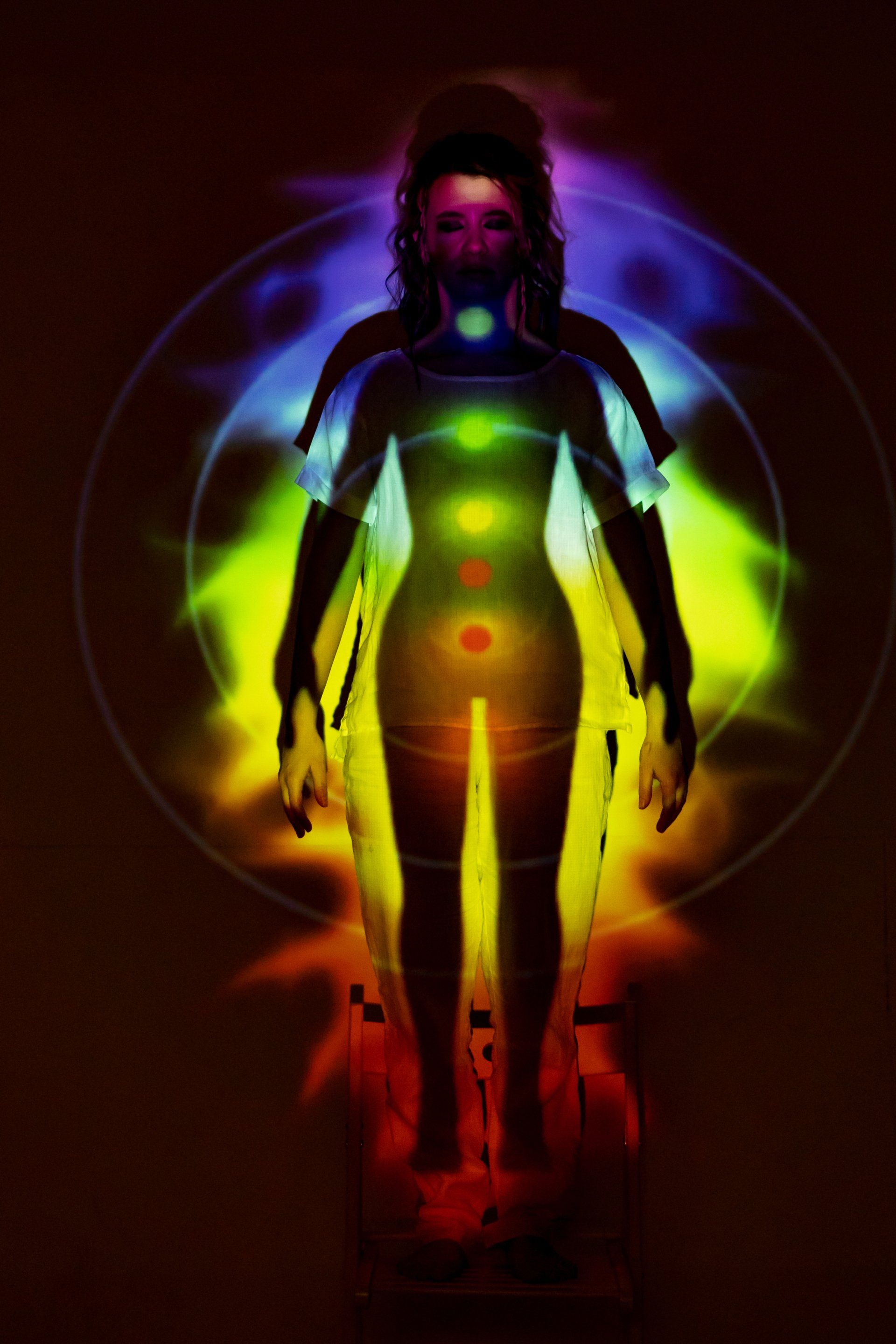
Chakra healing is often depicted as a mystical practice involving meditative states and spinning wheels of energetic light. However, the truth about chakra healing is far more intricate and deeply connected to our thoughts, emotions, and overall mental health. It's an intricate dance between the spiritual and psychological realms, where our inner world profoundly influences our energetic centers. The Interplay of Thoughts, Emotions, and Chakras Our chakras are not just abstract energy centers; they are intimately tied to our mental and emotional states. For instance, when we make decisions based on fear or remain indecisive, it can significantly affect our chakras. The solar plexus chakra, which governs personal power and confidence, might become blocked, leading to a lack of security and even affecting sexual function. Similarly, our creativity and authentic expression are linked to the sacral chakra. When we suppress our creative urges or fail to express our true selves, this chakra can become imbalanced, leading to a range of physical and emotional issues. Moreover, our thoughts and emotions have a profound impact on the crown chakra, which is associated with our connection to the divine and higher consciousness. Negative thought patterns, such as chronic stress, anxiety, or feelings of disconnection from a higher purpose, can create blockages in the crown chakra. This can result in a sense of spiritual disorientation, headaches, or even neurological issues. By cultivating positive thoughts and maintaining emotional balance, we can keep our chakras aligned, promoting holistic wellness and spiritual awakening. Trauma and Its Residue in Our Chakras Trauma, whether physical, emotional, or psychological, leaves an imprint on our chakras. Unreleased trauma often gets stored in specific chakras, creating blockages that manifest as physical ailments. For instance, the throat chakra, responsible for communication and self-expression, can become blocked due to a lack of authentic self-expression. This blockage can lead to chronic sore throats, ear issues, and sinus problems. Similarly, unhealthy sexual desires or a failure to embrace one's sexuality can block the root and sacral chakras, causing health issues in the genitals and womb. Furthermore, the heart chakra, which is the center of love, compassion, and emotional balance, can be deeply affected by past traumas, especially those related to relationships and emotional pain. When the heart chakra is blocked, it can lead to feelings of loneliness, depression, and an inability to form healthy emotional connections. Physically, this blockage may manifest as heart-related issues, respiratory problems, or even upper back and shoulder pain. By addressing and healing these traumas, we can begin to release these blockages, allowing for a free flow of energy and a restoration of emotional and physical health. Psychotherapy and Chakra Healing While chakra healing is traditionally approached through holistic and spiritual therapies, modern psychotherapy offers powerful tools to unblock and balance these energy centers. Techniques such as Cognitive Behavioral Therapy (CBT), Mindfulness-Based Cognitive Therapy (MBCT), Rational Emotive Behavior Therapy (REBT), Eye Movement Desensitization and Reprocessing (EMDR), and Neuro-Linguistic Programming (NLP) can be incredibly effective. These therapies help in reframing negative thoughts, removing limiting beliefs, and adopting new, expansive beliefs, thus promoting chakra healing. Integrating psychotherapy with chakra healing allows for a comprehensive approach to mental and emotional well-being. For example, EMDR, which is often used to treat trauma, can help release deeply rooted emotional blockages in the chakras. By processing traumatic memories and desensitizing the emotional response, EMDR can clear the energy pathways, particularly in the heart and solar plexus chakras, promoting emotional balance and a sense of inner peace. Similarly, CBT and MBCT can help individuals recognize and change negative thought patterns that affect the throat and third-eye chakras, enhancing communication, intuition, and mental clarity. In addition to these techniques, incorporating mindfulness and meditation practices can further support chakra healing. Mindfulness helps individuals stay present and aware of their thoughts and emotions, making it easier to identify and address imbalances in the chakras. Regular meditation focused on each chakra can also help in maintaining their alignment and balance. By combining the structured, evidence-based approaches of psychotherapy with the intuitive and holistic practices of chakra healing, individuals can achieve a more profound and lasting sense of well-being and spiritual awakening. Deep Dive into Healing To truly heal and balance our chakras, we must engage in deep introspection and questioning. By examining our thoughts and emotions, we can uncover the root causes of our imbalances. For example, denial and lack of acceptance can lead to confusion and misjudgments, affecting our third eye chakra, which governs intuition and clarity. By addressing these underlying issues through psychotherapy and spiritual practices, we can achieve holistic wellness. In conclusion, chakra healing is a multifaceted journey that transcends mere meditation and energy work. It requires a deep understanding of the interplay between our thoughts, emotions, and physical health. By integrating spiritual practices with psychological therapies, we can achieve true energy alignment and holistic wellness. *C.J. Hamilton is an Internationally Certified Alternative Healing & Mental Health Practitioner, specialized in the integration of Spirituality & Psychotherapy, a Medical Astrologist, and an accredited member of the International Association of Therapists. With a passion for holistic wellness, C.J. provides insightful guidance to help individuals align their lives with their authentic selves, fostering harmony and balance.

As the vibrant days of summer begin to wane and we prepare to embrace the introspective energy of autumn, it's a potent time to focus on the Solar Plexus Chakra, also known as Manipura. This chakra, located in the upper abdomen around the diaphragm, is our center of personal power, confidence, and transformation. Its name, Manipura, translates to "lustrous gem," reflecting its radiant and empowering energy. The Solar Plexus Chakra governs our self-esteem, willpower, and the ability to manifest our desires into reality. When this chakra is balanced, we experience a sense of purpose, decisiveness, and the courage to pursue our goals. However, when it's out of harmony, we may struggle with feelings of inadequacy, lack of direction, and a diminished sense of self-worth. As we transition into autumn, a season renowned for its transformative qualities, it's an ideal period to assess and align this powerful energy center. Engaging in practices such as meditation, affirmations, and energy healing can significantly enhance the flow of energy through the Solar Plexus Chakra. Visualization techniques, where one envisions a bright, golden light radiating from the upper abdomen, can be particularly effective in activating and balancing this chakra. Additionally, incorporating yellow-colored foods and crystals like citrine and amber into your daily routine can further support the revitalization of your personal power and confidence, enabling you to move through the season with a renewed sense of empowerment and clarity. The Significance and History of the Solar Plexus Chakra The Solar Plexus Chakra is the third of the seven primary chakras in the body, situated above the Sacral Chakra and below the Heart Chakra. Historically, this chakra has been associated with the element of fire and the sun, symbolizing vitality, strength, and willpower. In ancient traditions, Manipura is considered the seat of our personal identity and ego, governing our self-esteem, warrior energy, and the power of transformation. When the Solar Plexus Chakra is balanced, we feel confident, motivated, and in control of our lives. We are able to set and achieve goals, assert ourselves healthily, and maintain a strong sense of purpose. Conversely, when this chakra is out of balance, we may experience feelings of low self-esteem, insecurity, and a lack of direction. Conventional Methods of Healing the Solar Plexus Chakra Mindful Eating: Consuming yellow foods such as bananas, corn, and yellow peppers can help stimulate and balance the Solar Plexus Chakra. Incorporating spices like turmeric and ginger, known for their warming properties, can also be beneficial. Physical Exercise: Engaging in core-strengthening exercises like yoga, Pilates, or even simple abdominal workouts can activate and strengthen this energy center. Poses such as Boat Pose (Navasana) and Warrior Poses (Virabhadrasana) are particularly effective. Sunlight Exposure: Spending time in the sun can naturally energize the Solar Plexus Chakra. Sunbathing safely for short periods can help you absorb the sun's vital energy, boosting your confidence and vitality. Holistic and Spiritual Methods Affirmations: Positive affirmations can reprogram your subconscious mind to enhance self-worth and empowerment. Phrases like "I am confident and powerful" or "I trust my inner strength" can be repeated daily. Meditation and Visualization: Meditating on the Solar Plexus Chakra by visualizing a bright, golden sun in your upper abdomen can help activate and balance this energy center. Focus on breathing deeply and imagining the warmth and light spreading throughout your body. Crystals and Stones: Using crystals like citrine, yellow jasper, and tiger's eye can enhance the energy of the Solar Plexus Chakra. Carry them with you, wear them as jewelry, or place them on your abdomen during meditation. Aromatherapy: Essential oils such as lemon, ginger, and chamomile can help balance the Solar Plexus Chakra. Diffuse these oils in your space, add them to a bath, or apply them topically with a carrier oil. Psychotherapeutic Approaches Incorporating psychotherapy techniques can provide a holistic approach to healing the Solar Plexus Chakra. Cognitive-behavioral therapy (CBT) can help identify and challenge negative thought patterns that undermine self-esteem and confidence. Practicing self-compassion and mindfulness can also foster a healthier relationship with oneself, promoting a balanced Solar Plexus Chakra. Incorporating the "superhero pose" into your routine can be a powerful psychotherapeutic tool for enhancing the Solar Plexus Chakra. This pose involves standing tall with feet shoulder-width apart, hands placed on the hips, and chest lifted in a confident stance. Research in social psychology suggests that holding this pose for just a couple of minutes can significantly increase feelings of power and confidence while reducing stress levels. By embodying this powerful stance, individuals can tap into their inner strength and bolster their self-esteem, thereby promoting a more balanced and energized Solar Plexus Chakra. This simple yet effective technique can be seamlessly integrated into daily practices, offering a quick and accessible way to boost personal empowerment and emotional resilience. Another effective psychotherapeutic approach is somatic therapy, which focuses on the connection between the mind and body. This method can help release stored tension and trauma from the body, particularly in the area around the diaphragm where the Solar Plexus Chakra resides. Techniques such as deep breathing exercises, progressive muscle relaxation, and body scanning can be instrumental in unblocking and balancing this chakra. By becoming more attuned to physical sensations and learning to release pent-up energy, individuals can cultivate a stronger sense of personal power and inner peace. Dialectical behavior therapy (DBT) is also a valuable tool in addressing issues related to the Solar Plexus Chakra. DBT combines cognitive-behavioral techniques with mindfulness practices to help individuals regulate their emotions and develop healthier coping mechanisms. Through skills like emotional regulation, distress tolerance, and interpersonal effectiveness, individuals can build resilience and strengthen their sense of self. By integrating these psychotherapeutic approaches, one can achieve a more harmonious balance within the Solar Plexus Chakra, fostering greater confidence, self-worth, and the ability to navigate life's challenges with grace and determination. Embracing Transformation As we harness the last of summer's fiery energy, focusing on the Solar Plexus Chakra can set a strong foundation for the introspective and grounding energies of autumn. Embrace this period of transformation by engaging in practices that boost your self-esteem, empower your personal will, and ignite your inner fire. By nurturing the Solar Plexus Chakra, we align with our true selves, embracing our personal power and navigating life's challenges with confidence and grace. Let the radiant energy of Manipura guide you towards greater self-awareness and empowerment, lighting the path towards a more balanced and fulfilling life. *C.J. Hamilton is an Internationally Certified Alternative Healing & Mental Health Practitioner, specialized in the integration of Spirituality & Psychotherapy, a Medical Astrologist, and an accredited member of the International Association of Therapists. With a passion for holistic wellness, C.J. provides insightful guidance to help individuals align their lives with their authentic selves, fostering harmony and balance.

The Mystical Guide In the mystic realms of spirit animal medicine, the raven stands as a beacon of adaptability and resourcefulness, guiding us through the labyrinth of life’s challenges. Ravens, with their keen intelligence and mystical presence, teach us the art of bending without breaking, of finding light in the shadows. By embracing the raven’s wisdom, we can cultivate emotional resilience, a crucial trait for navigating the ever-changing tides of existence. Understanding Emotional Resilience Emotional resilience is the ability to bounce back from adversity, to face life’s storms with grace and strength. It’s about maintaining our equilibrium in the face of difficulties, and it’s deeply intertwined with adaptability. When we lack emotional resilience, even minor setbacks can feel overwhelming, leading to stress, anxiety, and a sense of hopelessness. On the other hand, cultivating emotional resilience allows us to approach challenges with a calm mind, to learn and grow from our experiences, and to maintain our inner peace. Raven’s Wisdom: Resourcefulness and Adaptability Raven spirit animal medicine teaches us to be resourceful, to find creative solutions in the face of obstacles, and to adapt to new circumstances with ease. By embodying the raven’s qualities, we can enhance our emotional resilience. This involves trusting our intuition, embracing change as a natural part of life, and finding strength in our inner wisdom. The raven guides us to see opportunities in challenges and to transform difficulties into stepping stones for growth. The Science of Resilience From a scientific perspective, resilience is closely linked to neuroplasticity, the brain’s ability to reorganize itself by forming new neural connections. This adaptability allows us to recover from stress and trauma. Studies have shown that practices such as mindfulness meditation, cognitive-behavioral therapy, and positive affirmations can enhance neuroplasticity, thereby boosting emotional resilience. The raven’s teachings align with these practices, encouraging us to remain flexible and open-minded. Embracing Change Change is an inevitable part of life, and the raven teaches us to embrace it rather than resist it. By viewing change as an opportunity for growth, we can reduce our fear and anxiety. This shift in perspective allows us to approach new situations with curiosity and optimism. Techniques such as journaling, visualization, and setting small, achievable goals can help us navigate change more effectively. Trusting Intuition Ravens are known for their sharp intuition and keen perception. By tuning into our inner voice, we can make better decisions and navigate life’s challenges with greater ease. Practicing mindfulness and meditation can help us develop a stronger connection to our intuition. Listening to our inner guidance can lead us to solutions that we might not have considered otherwise. Finding Strength in Inner Wisdom The raven’s wisdom reminds us that we have an inner reservoir of strength and knowledge. By tapping into this inner wisdom, we can find the courage to face adversity. Practices such as self-reflection, seeking guidance from mentors, and engaging in spiritual or philosophical studies can help us access this inner strength. Transforming Challenges into Opportunities The raven teaches us to view challenges as opportunities for growth and transformation. By adopting a growth mindset, we can learn from our experiences and emerge stronger. This involves reframing negative thoughts, practicing gratitude, and focusing on our progress rather than our setbacks. Practical Approaches to Enhance Resilience To cultivate emotional resilience, consider incorporating the following practices into your daily life: 1. Mindfulness Meditation: Spend a few minutes each day in quiet reflection, focusing on your breath and observing your thoughts without judgment. 2. Journaling: Write about your experiences, emotions, and insights. This can help you process your feelings and gain clarity. 3. Positive Affirmations: Repeat affirmations that reinforce your inner strength and resilience. 4. Physical Activity: Engage in regular exercise to boost your mood and reduce stress. 5. Social Support: Connect with friends, family, or support groups to share your experiences and gain encouragement. Conclusion: Embracing the Raven’s Medicine By embracing the raven’s spirit animal medicine, we can cultivate emotional resilience and navigate life’s challenges with grace and strength. The raven teaches us to be resourceful, adaptable, and intuitive, guiding us to find light in the shadows and transform difficulties into opportunities for growth. Through mindful practices and a deep connection to our inner wisdom, we can enhance our emotional resilience and lead a more balanced, fulfilling life. *C.J. Hamilton is an Internationally Certified Alternative Healing & Mental Health Practitioner, specialized in the integration of Spirituality & Psychotherapy, and an accredited member of the International Association of Therapists. With a passion for holistic wellness, C.J. provides insightful guidance to help individuals align their lives with their authentic selves, fostering harmony and balance.

The Power of Words In the heart of Buddhist practice lies the profound principle of "right speech." This practice encourages us to abstain from lies, divisive talk, harsh words, and gossip, instead using our words to foster harmony, compassion, and understanding. Originating from the Noble Eightfold Path, right speech is one of the fundamental steps towards achieving a balanced and enlightened life. By consciously choosing our words, we can create a ripple effect of positivity and peace in our interactions and relationships. The Harm of Wrong Speech Conversely, "wrong speech" encompasses the opposite actions—lying, spreading rumors, speaking harshly, and engaging in gossip. These behaviors can have detrimental effects on our mental and emotional health. For instance, lying can create a web of deceit that becomes increasingly difficult to manage, leading to anxiety and stress. Gossip and divisive talk can foster mistrust and conflict, damaging relationships and creating a sense of isolation. Harsh words can leave lasting emotional scars, both on the speaker and the recipient, perpetuating a cycle of negativity and resentment. Mental and Emotional Impacts The impacts of wrong speech extend beyond individual well-being, affecting our overall life and the communities we are part of. Mentally, it can cloud our minds with negativity and mistrust, while emotionally, it can erode our sense of compassion and empathy. Spiritually, it can distance us from our true selves and hinder our growth. On the other hand, practicing right speech can have transformative effects. It can lead to mental clarity, emotional stability, and spiritual growth, fostering a deeper connection with ourselves and others. Science Behind Right Speech Scientific research supports the benefits of right speech. Studies have shown that positive communication can reduce stress, lower blood pressure, and improve overall mental health. The act of speaking kindly and truthfully can activate the brain's reward system, releasing feel-good chemicals like dopamine and oxytocin. These neurological responses not only enhance our mood but also strengthen our social bonds, promoting a sense of community and belonging. Cultivating Right Speech Practicing right speech requires mindfulness and intention. One effective approach is to pause before speaking and consider whether our words are true, kind, and necessary. This simple act of reflection can prevent harmful speech and encourage more thoughtful, compassionate communication. Additionally, engaging in active listening—truly hearing and understanding others—can enhance our ability to respond with empathy and respect. The Ripple Effect The positive effects of right speech extend beyond individual interactions. When we consistently practice right speech, we contribute to a culture of respect and understanding. This can transform our homes, workplaces, and communities, creating environments where trust and cooperation flourish. By modeling right speech, we inspire others to do the same, amplifying the impact of our words. Practical Tips for Right Speech To integrate right speech into our daily lives, we can adopt several practical strategies. First, we can practice gratitude, expressing appreciation for others and their contributions. Second, we can avoid gossip by steering conversations towards positive and constructive topics. Third, we can address conflicts calmly and respectfully, focusing on solutions rather than blame. Lastly, we can seek feedback on our communication, remaining open to growth and improvement. The Journey of Self-Discovery Embracing right speech is a journey of self-discovery and personal growth. It challenges us to confront our habits and assumptions, encouraging us to cultivate greater awareness and intentionality. As we become more mindful of our words, we deepen our understanding of ourselves and our impact on others. This journey is not always easy, but it is profoundly rewarding, offering opportunities for healing and transformation. A Holistic Approach Right speech is more than a communication strategy; it is a holistic approach to living. It invites us to align our words with our values, fostering integrity and authenticity. By embracing right speech, we nurture our mental, emotional, and spiritual well-being, creating a foundation for a more harmonious and fulfilling life. In this way, right speech is a powerful tool for personal and collective transformation, guiding us towards a more compassionate and connected world. Conclusion: Embracing Right Speech In conclusion, the practice of right speech holds immense potential for promoting harmony and understanding. By choosing our words with care and compassion, we can enhance our mental and emotional health, strengthen our relationships, and contribute to a more peaceful and just society. Let us embrace the wisdom of right speech, allowing its transformative power to guide us on our journey towards greater well-being and enlightenment. *C.J. Hamilton is an Internationally Certified Alternative Healing & Mental Health Practitioner, specialized in the integration of Spirituality & Psychotherapy, and an accredited member of the International Association of Therapists. With a passion for holistic wellness, C.J. provides insightful guidance to help individuals align their lives with their authentic selves, fostering harmony and balance.

The Weight of Past Traumas Have you ever felt weighed down by past emotional traumas, as if they’re etched into the very cells of your body? Negative emotions from our past can linger, increasing inflammation and oxidative stress within our internal systems. This can manifest physically, leading to chronic pain, fatigue, and even illness. Emotionally, these stored traumas can cloud our minds, causing anxiety, depression, and a myriad of other mental health struggles. The Physical Manifestation of Emotional Pain Our bodies are remarkable vessels, capable of storing emotional pain in ways we might not even realize. When trauma is not processed, it can embed itself into our tissues, creating a cascade of physical symptoms. Chronic pain, unexplained fatigue, and even autoimmune conditions can often be traced back to unhealed emotional wounds. The mind and body are inextricably linked, and what affects one invariably impacts the other. The Transformative Power of Emotional Release Releasing these deep-seated emotions is transformative. When we free ourselves from the grip of past traumas, we not only experience emotional liberation but also witness profound physical healing. The process of letting go can feel like shedding a heavy, invisible cloak that has been weighing us down for years. This liberation opens up space for joy, peace, and a renewed zest for life. Introduction to EMDR Enter Eye Movement Desensitization and Reprocessing (EMDR) – a powerful psychotherapeutic approach that targets these very traumas. EMDR works by guiding individuals through eye movements that help process and integrate traumatic memories. This method allows the brain to reprocess these memories, reducing their emotional charge and transforming them into neutral or positive experiences. The Science Behind EMDR Scientifically, EMDR has been shown to decrease the activity in the amygdala (the brain's fear center) and increase connectivity in areas associated with emotional regulation. This dual action helps to reduce the intensity of traumatic memories and enhances our ability to manage emotions. By altering the brain's response to trauma, EMDR fosters a more balanced and resilient emotional state. The Emotional Impact of EMDR The impacts of EMDR on emotional release are profound. By addressing and healing past traumas at a cellular level, individuals often experience a newfound sense of peace and clarity. The therapy allows for the reprocessing of painful memories, which can diminish their power and emotional charge. This newfound emotional freedom can lead to improved mental health, reduced anxiety, and a more positive outlook on life. Practical Approaches to EMDR The beauty of EMDR is that many guided sessions are readily available for free on YouTube, making this powerful therapy accessible to anyone with an internet connection. These sessions can be a great starting point for those curious about the process. However, working with a trained EMDR therapist can provide a more personalized and in-depth healing experience. Holistic Healing Tips Incorporating holistic healing practices alongside EMDR can enhance the therapeutic process. Mindfulness meditation, yoga, and breathwork are excellent ways to support emotional release and maintain a balanced state of mind. Journaling can also be a powerful tool for processing emotions and gaining insights into your healing journey. Empowering Your Healing Journey Healing from emotional trauma is a deeply personal and empowering journey. By embracing therapies like EMDR and integrating holistic practices, you can transform your relationship with your past and create a brighter, more peaceful future. Remember, healing is not a linear process, but each step you take brings you closer to a state of wholeness and well-being. Conclusion The journey to heal stored emotional trauma at a cellular level is a testament to the resilience of the human spirit. Through EMDR and holistic practices, you can reclaim your life from the shadows of past traumas and step into a future filled with light, peace, and boundless possibilities. *C.J. Hamilton is an Internationally Certified Alternative Healing & Mental Health Practitioner, specialized in the integration of Spirituality & Psychotherapy, and an accredited member of the International Association of Therapists. With a passion for holistic wellness, C.J. provides insightful guidance to help individuals align their lives with their authentic selves, fostering harmony and balance.