Mental Health & Wellness Tips

The Mystical Guide In the mystic realms of spirit animal medicine, the raven stands as a beacon of adaptability and resourcefulness, guiding us through the labyrinth of life’s challenges. Ravens, with their keen intelligence and mystical presence, teach us the art of bending without breaking, of finding light in the shadows. By embracing the raven’s wisdom, we can cultivate emotional resilience, a crucial trait for navigating the ever-changing tides of existence. Understanding Emotional Resilience Emotional resilience is the ability to bounce back from adversity, to face life’s storms with grace and strength. It’s about maintaining our equilibrium in the face of difficulties, and it’s deeply intertwined with adaptability. When we lack emotional resilience, even minor setbacks can feel overwhelming, leading to stress, anxiety, and a sense of hopelessness. On the other hand, cultivating emotional resilience allows us to approach challenges with a calm mind, to learn and grow from our experiences, and to maintain our inner peace. Raven’s Wisdom: Resourcefulness and Adaptability Raven spirit animal medicine teaches us to be resourceful, to find creative solutions in the face of obstacles, and to adapt to new circumstances with ease. By embodying the raven’s qualities, we can enhance our emotional resilience. This involves trusting our intuition, embracing change as a natural part of life, and finding strength in our inner wisdom. The raven guides us to see opportunities in challenges and to transform difficulties into stepping stones for growth. The Science of Resilience From a scientific perspective, resilience is closely linked to neuroplasticity, the brain’s ability to reorganize itself by forming new neural connections. This adaptability allows us to recover from stress and trauma. Studies have shown that practices such as mindfulness meditation, cognitive-behavioral therapy, and positive affirmations can enhance neuroplasticity, thereby boosting emotional resilience. The raven’s teachings align with these practices, encouraging us to remain flexible and open-minded. Embracing Change Change is an inevitable part of life, and the raven teaches us to embrace it rather than resist it. By viewing change as an opportunity for growth, we can reduce our fear and anxiety. This shift in perspective allows us to approach new situations with curiosity and optimism. Techniques such as journaling, visualization, and setting small, achievable goals can help us navigate change more effectively. Trusting Intuition Ravens are known for their sharp intuition and keen perception. By tuning into our inner voice, we can make better decisions and navigate life’s challenges with greater ease. Practicing mindfulness and meditation can help us develop a stronger connection to our intuition. Listening to our inner guidance can lead us to solutions that we might not have considered otherwise. Finding Strength in Inner Wisdom The raven’s wisdom reminds us that we have an inner reservoir of strength and knowledge. By tapping into this inner wisdom, we can find the courage to face adversity. Practices such as self-reflection, seeking guidance from mentors, and engaging in spiritual or philosophical studies can help us access this inner strength. Transforming Challenges into Opportunities The raven teaches us to view challenges as opportunities for growth and transformation. By adopting a growth mindset, we can learn from our experiences and emerge stronger. This involves reframing negative thoughts, practicing gratitude, and focusing on our progress rather than our setbacks. Practical Approaches to Enhance Resilience To cultivate emotional resilience, consider incorporating the following practices into your daily life: 1. Mindfulness Meditation: Spend a few minutes each day in quiet reflection, focusing on your breath and observing your thoughts without judgment. 2. Journaling: Write about your experiences, emotions, and insights. This can help you process your feelings and gain clarity. 3. Positive Affirmations: Repeat affirmations that reinforce your inner strength and resilience. 4. Physical Activity: Engage in regular exercise to boost your mood and reduce stress. 5. Social Support: Connect with friends, family, or support groups to share your experiences and gain encouragement. Conclusion: Embracing the Raven’s Medicine By embracing the raven’s spirit animal medicine, we can cultivate emotional resilience and navigate life’s challenges with grace and strength. The raven teaches us to be resourceful, adaptable, and intuitive, guiding us to find light in the shadows and transform difficulties into opportunities for growth. Through mindful practices and a deep connection to our inner wisdom, we can enhance our emotional resilience and lead a more balanced, fulfilling life. *C.J. Hamilton is an Internationally Certified Alternative Healing & Mental Health Practitioner, specialized in the integration of Spirituality & Psychotherapy, and an accredited member of the International Association of Therapists. With a passion for holistic wellness, C.J. provides insightful guidance to help individuals align their lives with their authentic selves, fostering harmony and balance.

The Power of Words In the heart of Buddhist practice lies the profound principle of "right speech." This practice encourages us to abstain from lies, divisive talk, harsh words, and gossip, instead using our words to foster harmony, compassion, and understanding. Originating from the Noble Eightfold Path, right speech is one of the fundamental steps towards achieving a balanced and enlightened life. By consciously choosing our words, we can create a ripple effect of positivity and peace in our interactions and relationships. The Harm of Wrong Speech Conversely, "wrong speech" encompasses the opposite actions—lying, spreading rumors, speaking harshly, and engaging in gossip. These behaviors can have detrimental effects on our mental and emotional health. For instance, lying can create a web of deceit that becomes increasingly difficult to manage, leading to anxiety and stress. Gossip and divisive talk can foster mistrust and conflict, damaging relationships and creating a sense of isolation. Harsh words can leave lasting emotional scars, both on the speaker and the recipient, perpetuating a cycle of negativity and resentment. Mental and Emotional Impacts The impacts of wrong speech extend beyond individual well-being, affecting our overall life and the communities we are part of. Mentally, it can cloud our minds with negativity and mistrust, while emotionally, it can erode our sense of compassion and empathy. Spiritually, it can distance us from our true selves and hinder our growth. On the other hand, practicing right speech can have transformative effects. It can lead to mental clarity, emotional stability, and spiritual growth, fostering a deeper connection with ourselves and others. Science Behind Right Speech Scientific research supports the benefits of right speech. Studies have shown that positive communication can reduce stress, lower blood pressure, and improve overall mental health. The act of speaking kindly and truthfully can activate the brain's reward system, releasing feel-good chemicals like dopamine and oxytocin. These neurological responses not only enhance our mood but also strengthen our social bonds, promoting a sense of community and belonging. Cultivating Right Speech Practicing right speech requires mindfulness and intention. One effective approach is to pause before speaking and consider whether our words are true, kind, and necessary. This simple act of reflection can prevent harmful speech and encourage more thoughtful, compassionate communication. Additionally, engaging in active listening—truly hearing and understanding others—can enhance our ability to respond with empathy and respect. The Ripple Effect The positive effects of right speech extend beyond individual interactions. When we consistently practice right speech, we contribute to a culture of respect and understanding. This can transform our homes, workplaces, and communities, creating environments where trust and cooperation flourish. By modeling right speech, we inspire others to do the same, amplifying the impact of our words. Practical Tips for Right Speech To integrate right speech into our daily lives, we can adopt several practical strategies. First, we can practice gratitude, expressing appreciation for others and their contributions. Second, we can avoid gossip by steering conversations towards positive and constructive topics. Third, we can address conflicts calmly and respectfully, focusing on solutions rather than blame. Lastly, we can seek feedback on our communication, remaining open to growth and improvement. The Journey of Self-Discovery Embracing right speech is a journey of self-discovery and personal growth. It challenges us to confront our habits and assumptions, encouraging us to cultivate greater awareness and intentionality. As we become more mindful of our words, we deepen our understanding of ourselves and our impact on others. This journey is not always easy, but it is profoundly rewarding, offering opportunities for healing and transformation. A Holistic Approach Right speech is more than a communication strategy; it is a holistic approach to living. It invites us to align our words with our values, fostering integrity and authenticity. By embracing right speech, we nurture our mental, emotional, and spiritual well-being, creating a foundation for a more harmonious and fulfilling life. In this way, right speech is a powerful tool for personal and collective transformation, guiding us towards a more compassionate and connected world. Conclusion: Embracing Right Speech In conclusion, the practice of right speech holds immense potential for promoting harmony and understanding. By choosing our words with care and compassion, we can enhance our mental and emotional health, strengthen our relationships, and contribute to a more peaceful and just society. Let us embrace the wisdom of right speech, allowing its transformative power to guide us on our journey towards greater well-being and enlightenment. *C.J. Hamilton is an Internationally Certified Alternative Healing & Mental Health Practitioner, specialized in the integration of Spirituality & Psychotherapy, and an accredited member of the International Association of Therapists. With a passion for holistic wellness, C.J. provides insightful guidance to help individuals align their lives with their authentic selves, fostering harmony and balance.

The Weight of Past Traumas Have you ever felt weighed down by past emotional traumas, as if they’re etched into the very cells of your body? Negative emotions from our past can linger, increasing inflammation and oxidative stress within our internal systems. This can manifest physically, leading to chronic pain, fatigue, and even illness. Emotionally, these stored traumas can cloud our minds, causing anxiety, depression, and a myriad of other mental health struggles. The Physical Manifestation of Emotional Pain Our bodies are remarkable vessels, capable of storing emotional pain in ways we might not even realize. When trauma is not processed, it can embed itself into our tissues, creating a cascade of physical symptoms. Chronic pain, unexplained fatigue, and even autoimmune conditions can often be traced back to unhealed emotional wounds. The mind and body are inextricably linked, and what affects one invariably impacts the other. The Transformative Power of Emotional Release Releasing these deep-seated emotions is transformative. When we free ourselves from the grip of past traumas, we not only experience emotional liberation but also witness profound physical healing. The process of letting go can feel like shedding a heavy, invisible cloak that has been weighing us down for years. This liberation opens up space for joy, peace, and a renewed zest for life. Introduction to EMDR Enter Eye Movement Desensitization and Reprocessing (EMDR) – a powerful psychotherapeutic approach that targets these very traumas. EMDR works by guiding individuals through eye movements that help process and integrate traumatic memories. This method allows the brain to reprocess these memories, reducing their emotional charge and transforming them into neutral or positive experiences. The Science Behind EMDR Scientifically, EMDR has been shown to decrease the activity in the amygdala (the brain's fear center) and increase connectivity in areas associated with emotional regulation. This dual action helps to reduce the intensity of traumatic memories and enhances our ability to manage emotions. By altering the brain's response to trauma, EMDR fosters a more balanced and resilient emotional state. The Emotional Impact of EMDR The impacts of EMDR on emotional release are profound. By addressing and healing past traumas at a cellular level, individuals often experience a newfound sense of peace and clarity. The therapy allows for the reprocessing of painful memories, which can diminish their power and emotional charge. This newfound emotional freedom can lead to improved mental health, reduced anxiety, and a more positive outlook on life. Practical Approaches to EMDR The beauty of EMDR is that many guided sessions are readily available for free on YouTube, making this powerful therapy accessible to anyone with an internet connection. These sessions can be a great starting point for those curious about the process. However, working with a trained EMDR therapist can provide a more personalized and in-depth healing experience. Holistic Healing Tips Incorporating holistic healing practices alongside EMDR can enhance the therapeutic process. Mindfulness meditation, yoga, and breathwork are excellent ways to support emotional release and maintain a balanced state of mind. Journaling can also be a powerful tool for processing emotions and gaining insights into your healing journey. Empowering Your Healing Journey Healing from emotional trauma is a deeply personal and empowering journey. By embracing therapies like EMDR and integrating holistic practices, you can transform your relationship with your past and create a brighter, more peaceful future. Remember, healing is not a linear process, but each step you take brings you closer to a state of wholeness and well-being. Conclusion The journey to heal stored emotional trauma at a cellular level is a testament to the resilience of the human spirit. Through EMDR and holistic practices, you can reclaim your life from the shadows of past traumas and step into a future filled with light, peace, and boundless possibilities. *C.J. Hamilton is an Internationally Certified Alternative Healing & Mental Health Practitioner, specialized in the integration of Spirituality & Psychotherapy, and an accredited member of the International Association of Therapists. With a passion for holistic wellness, C.J. provides insightful guidance to help individuals align their lives with their authentic selves, fostering harmony and balance.
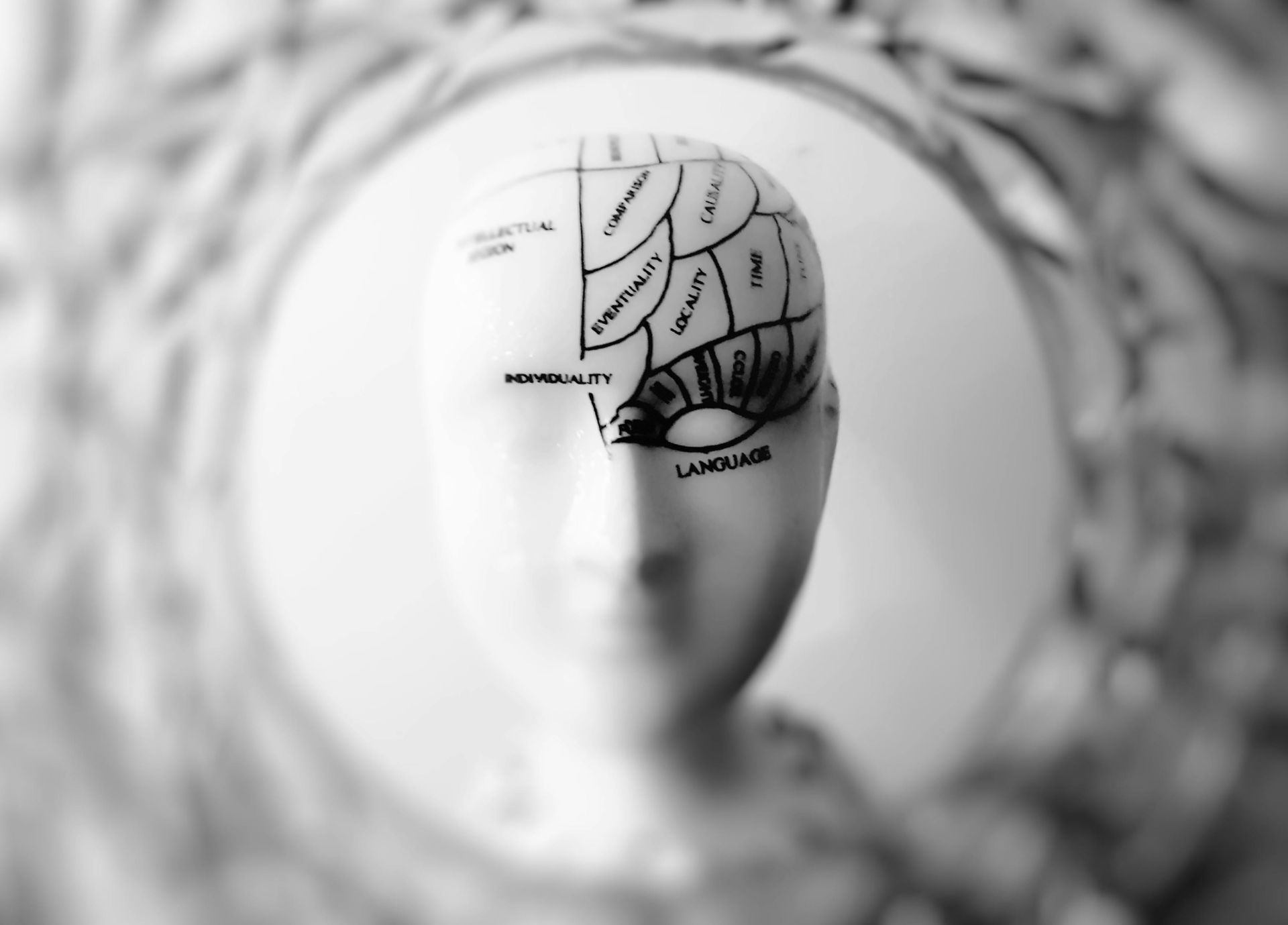
The Fog of Brain Rot In our fast-paced world, many of us experience what can be termed as "brain rot." This phenomenon is characterized by a sense of mental stagnation, where our cognitive functions feel dulled, and our minds seem to be trapped in a fog. Brain rot can be defined as a decline in mental agility and clarity, often resulting from prolonged exposure to low-quality stimuli and a lack of meaningful mental engagement. The Emotional Toll The impacts of brain rot on our mental and emotional health are significant. It can lead to impairment in concentration, frequent disorientation, and difficulty retaining new memories. Those affected may struggle to take care of themselves physically, notice changes in personality and sociability, and experience issues with mood, reasoning, and decision-making. The emotional toll can manifest as increased stress, anxiety, and a pervasive sense of dissatisfaction. Root Causes of Mental Stagnation Several factors contribute to brain rot, including the consumption of low-quality media and a lack of mental stimulation. When we feed our minds with superficial content and neglect activities that challenge our intellect, we inadvertently dull our cognitive abilities. The modern digital age, with its abundance of mindless scrolling and passive consumption, plays a significant role in this decline. The Science of Cognitive Decline Scientific studies have shown that our brains thrive on novelty and challenge. Neuroplasticity, the brain's ability to reorganize itself by forming new neural connections, is crucial for maintaining mental agility. When we engage in activities that stimulate our minds, such as learning new skills or solving puzzles, we promote the growth of new neural pathways, enhancing our cognitive functions. Conventional Remedies Conventional methods to combat brain rot include engaging in puzzles, reading, and learning new skills. These activities provide the mental stimulation necessary to keep our brains active and healthy. Reading, for instance, not only expands our knowledge but also improves our focus and concentration. Learning new skills, whether it's a language or a musical instrument, challenges our brains and keeps them sharp. Holistic Approaches to Mental Vitality Holistic approaches emphasize mindfulness practices, meditation, and connecting with nature. Mindfulness practices, such as meditation, help us become more aware of our thoughts and emotions, reducing stress and promoting mental clarity. Meditation 🧘, in particular, has been shown to increase gray matter in the brain, which is associated with improved memory and emotional regulation. The Healing Power of Nature Connecting with nature is another powerful way to reclaim our mental vitality. Spending time outdoors, whether it's hiking in the woods or simply sitting in a park, has been shown to reduce stress and improve mood. Nature provides a sense of calm and perspective, helping us to disconnect from the constant barrage of digital stimuli and reconnect with ourselves. Practical Tips for Mental Clarity To turn brain rot into brain power, consider incorporating the following practices into your daily routine: - Limit your consumption of low-quality media and choose content that challenges and inspires you. - Engage in activities that stimulate your mind, such as reading, puzzles, and learning new skills. - Practice mindfulness and meditation to reduce stress and enhance mental clarity. - Spend time in nature to rejuvenate your mind and spirit. Embracing a Balanced Life Ultimately, turning brain rot into brain power requires a balanced approach that combines both conventional and holistic methods. By actively engaging our minds, practicing mindfulness, and connecting with nature, we can reclaim our mental clarity, reduce stress, and improve our overall mood. This journey towards mental and emotional well-being is not just about avoiding brain rot, but about embracing a life filled with meaningful engagement and conscious expansion. A New Dawn for the Mind In the end, the transformation from brain rot to brain power is a deeply personal journey. It requires us to be mindful of our mental and emotional needs, to seek out activities that challenge and inspire us, and to cultivate a sense of balance in our lives. By doing so, we can unlock the full potential of our minds, leading to a life of greater clarity, joy, and fulfillment. *C.J. Hamilton is an Internationally Certified Alternative Healing & Mental Health Practitioner, specialized in the integration of Spirituality & Psychotherapy, and an accredited member of the International Association of Therapists. With a passion for holistic wellness, C.J. provides insightful guidance to help individuals align their lives with their authentic selves, fostering harmony and balance.

The Whimsical Picnic of Self-Compassion Embark on a journey of cherishing the most important relationship of all—the one with ourselves. Imagine the tender embrace of self-compassion as you take yourself on a whimsical picnic, surrounded by nature's serenade. Feel the petals of a bouquet you gifted to yourself, each blossom a testament to your worthiness. Self-love is not merely an act; it is a profound declaration of your intrinsic value. The Art of Pampering Pampering yourself is an art, a ritual of honoring your soul's desires. Draw a bath infused with fragrant oils, light candles, and let the warmth envelop you like a cocoon. Treat yourself to a solo date at your favorite café, savoring each sip and bite with mindful appreciation. The mental and emotional impacts of such acts are transformative, for in these moments, you affirm your own significance and nurture your spirit. Romantic Solitude Romantically treating yourself is a celebration of your existence. Dance alone in your living room, letting the music guide your movements as you twirl with abandon. Write a love letter to yourself, filled with affirmations of your strengths and dreams. These intimate gestures cultivate a deep sense of self-awareness and joy, enriching your overall life experience. By showing up for yourself, you declare to the universe that you are deserving of love and attention. The Science of Self-Love The science behind self-love reveals its profound impact on mental health. Studies show that self-compassion reduces stress, anxiety, and depression. When we treat ourselves with kindness, our brain releases oxytocin, the love hormone, which fosters feelings of warmth and connection. Moreover, self-love practices activate the brain's reward system, enhancing our overall well-being and resilience. Nurturing the Spirit By nurturing your spirit, you create a sanctuary within. Meditation and mindfulness are powerful tools in this endeavor. Spend a few moments each day in quiet reflection, focusing on your breath and the sensations within your body. This practice grounds you in the present moment, fostering a sense of peace and clarity. Journaling is another way to connect with your inner self, allowing you to explore your thoughts and emotions with gentle curiosity. Cultivating Joy Cultivating joy is an essential aspect of self-love. Engage in activities that bring you happiness and fulfillment. Whether it's painting, gardening, or playing an instrument, these creative outlets allow you to express yourself and find joy in the process. Surround yourself with positivity and laughter, and don't be afraid to indulge in the simple pleasures of life. The Power of Affirmations Affirmations are a powerful way to reinforce self-love. Start your day with positive affirmations, such as "I am worthy of love and respect" or "I am enough just as I am." These declarations help to rewire your brain, fostering a positive self-image and boosting your confidence. Over time, affirmations can transform your inner dialogue, replacing self-criticism with self-compassion. Creating Sacred Rituals Creating sacred rituals is a beautiful way to honor yourself. Set aside time each week for a self-care ritual, whether it's a luxurious bath, a nature walk, or a quiet evening with a good book. These rituals serve as a reminder of your inherent worth and the importance of taking time for yourself. They also provide an opportunity to reflect on your journey and celebrate your growth. Embracing the Journey Embracing self-love is an ongoing journey, one that requires patience and dedication. It is about recognizing your intrinsic value and treating yourself with the same kindness and compassion you would offer to a loved one. As you embark on this journey, remember that self-love is not a destination but a continuous process of growth and self-discovery. Celebrate each step along the way, and cherish the beautiful relationship you are building with yourself. In conclusion, the journey of self-love is a profound and transformative experience. By pampering yourself, nurturing your spirit, and embracing the science of self-compassion, you can cultivate a deep sense of joy and fulfillment. Remember, you are deserving of love and attention, and the most important relationship you will ever have is the one with yourself. *C.J. Hamilton is an Internationally Certified Alternative Healing & Mental Health Practitioner, specialized in the integration of Spirituality & Psychotherapy, and an accredited member of the International Association of Therapists. With a passion for holistic wellness, C.J. provides insightful guidance to help individuals align their lives with their authentic selves, fostering harmony and balance.

The Sacred Art of Introspection Introspection is the gentle art of self-reflection, a sacred practice that invites us to turn our gaze inward. It is within these moments of quiet contemplation that we can explore the vast landscapes of our minds and hearts. By reflecting on our thoughts, emotions, and motivations, we begin to unravel the intricate tapestry of our inner world. This practice is not merely about self-examination but about fostering a deeper connection with our true selves. The Serenity of Solitude Solitude, the serene state of being alone, provides the necessary space for introspection to unfold without external distractions. In solitude, we find a sanctuary where we can process our experiences and emotions. It is a time to step away from the noise and demands of the outside world, allowing our minds and hearts to rest and rejuvenate. This sacred space is where we can truly listen to our inner voice and gain profound insights. Mental Clarity and Insight One of the most profound positive impacts of introspection is the mental clarity it brings. By turning inward, we can sift through the clutter of our thoughts and identify our true desires and motivations. This clarity helps us make more informed decisions and align our actions with our authentic selves. It is through this process that we can navigate the complexities of life with greater ease and confidence. Emotional Healing in Solitude Solitude offers a sanctuary for emotional healing. In the quiet moments of being alone, we have the opportunity to process and heal from emotional wounds. It is a time to sit with our feelings, acknowledge them, and release any lingering pain. This healing process is essential for our overall well-being, as it allows us to move forward with a lighter heart and a clearer mind. Cultivating Self-Awareness Through introspection, we gain a deeper understanding of ourselves—our strengths, weaknesses, and patterns. This self-awareness is crucial for personal growth and development. By recognizing our tendencies and behaviors, we can make conscious choices that align with our values and aspirations. It is through this journey of self-discovery that we can become the best versions of ourselves. Stress Reduction and Nervous System Relaxation Solitude offers a much-needed break from the constant demands of the outside world. In these quiet moments, our nervous system has the opportunity to relax and reset. This reduction in stress is vital for our mental and emotional health. By regularly embracing solitude, we can cultivate a sense of inner peace and resilience that supports us in our daily lives. The Wellspring of Creativity In the stillness of solitude, our minds are free to wander and explore new ideas. This freedom is a fertile ground for creativity and innovative thinking. By giving ourselves the space to dream and imagine, we can tap into our creative potential and bring forth new possibilities. Solitude is a wellspring of inspiration that can enrich our lives in countless ways. Enhancing Relationships Through Self-Understanding By understanding ourselves better through introspection, we can improve our relationships with others. Self-awareness allows us to communicate more effectively, set healthy boundaries, and empathize with those around us. As we deepen our connection with ourselves, we become more attuned to the needs and feelings of others, fostering more meaningful and harmonious relationships. Practical Tips for Embracing Introspection and Solitude To fully reap the benefits of introspection and solitude, it is essential to integrate these practices into our daily lives. Here are some practical tips: 1. Set Aside Time: Dedicate a specific time each day for quiet reflection and solitude. This could be in the morning, evening, or any time that suits your schedule. 2. Create a Sacred Space: Find a peaceful place where you can be alone and undisturbed. This could be a cozy corner of your home, a quiet park, or any space that feels sacred to you. 3. Journal Your Thoughts: Writing down your thoughts and feelings can be a powerful tool for introspection. It helps to clarify your mind and gain deeper insights into your inner world. 4. Practice Mindfulness: Engage in mindfulness practices such as meditation, deep breathing, or mindful walking. These practices can help you stay present and connected to your inner self. 5. Embrace Nature: Spending time in nature can enhance your experience of solitude and introspection. The natural world has a calming and grounding effect that supports inner reflection. Conclusion: The Holistic Journey The dance of introspection and solitude upon the tapestry of our mental and emotional realms is a holistic journey of self-discovery, healing, and growth. By embracing these sacred practices, we can uncover profound insights about ourselves and the world around us. This journey not only enhances our mental and emotional well-being but also enriches our lives in countless ways. As we continue to explore the depths of our inner world, we find that the path to true fulfillment and peace lies within. *C.J. Hamilton is an Internationally Certified Alternative Healing & Mental Health Practitioner, specialized in the integration of Spirituality & Psychotherapy, and an accredited member of the International Association of Therapists. With a passion for holistic wellness, C.J. provides insightful guidance to help individuals align their lives with their authentic selves, fostering harmony and balance.

Finding Tranquility in a Fast-Paced World In our fast-paced world, finding moments of tranquility can feel like a distant dream. Yet, within the ancient practice of chanting mantras lies a powerful tool for inner peace and overall well-being. The 7 Chakra Gayatri mantra is a beautiful example of how sound and intention can harmonize our energy centers and activate the relaxation response. The Science Behind Chanting Mantras When we chant mantras, we engage the parasympathetic nervous system, which counteracts the stress response. This activation reduces levels of cortisol and other stress hormones, promoting a state of calm and relaxation. Research has shown that regular chanting can lead to changes in brain structure and function, fostering neuroplasticity and enhancing our ability to manage stress. Impacts on Mental, Emotional & Overall Well-Being Chanting mantras not only soothes the mind but also nurtures our emotional and physical health. The vibrations created by chanting can harmonize the body's energy centers, or chakras, leading to improved mental clarity, emotional balance, and overall vitality. By aligning our chakras, we create a foundation for holistic healing and conscious expansion. Understanding the 7 Chakra Gayatri The 7 Chakra Gayatri is a sacred mantra that aligns and balances the seven main chakras in our body. Each chakra corresponds to different aspects of our being, from our basic survival instincts to our highest spiritual aspirations. By chanting this mantra, we can cleanse and energize these centers, fostering a sense of harmony and well-being. Chanting Techniques and Practices To truly benefit from the 7 Chakra Gayatri, it is essential to practice with intention and mindfulness. Find a quiet space where you won't be disturbed. Sit comfortably with your spine straight, and take a few deep breaths to center yourself. As you chant the mantra, visualize the energy flowing through each chakra, cleansing and balancing them. How to Chant the 7 Chakra Gayatri 1. Sit comfortably with your spine straight and eyes closed. 2. Take a few deep breaths to center yourself. 3. Chant the mantra slowly and with intention, focusing on each chakra as you go: - "Om Bhur Bhuva Svaha" (Root Chakra) - "Tat Savitur Varenyam" (Sacral Chakra) - "Bhargo Devasya Dhimahi" (Solar Plexus Chakra) - "Dhiyo Yo Nah Prachodayat" (Heart Chakra) - "Om Apo Jyotir Rasamritam" (Throat Chakra) - "Brahma Bhur Bhuva Svaha" (Third Eye Chakra) - "Tat Savitur Varenyam" (Crown Chakra) Mental and Emotional Benefits The mental and emotional benefits of chanting the 7 Chakra Gayatri are profound. Regular practice can help reduce anxiety, depression, and emotional blockages. It fosters a sense of inner peace and emotional resilience, allowing us to navigate life's challenges with greater ease and grace. Physical Health and Vitality On a physical level, chanting this mantra can enhance overall vitality. The vibrations stimulate the body's energy flow, improving circulation and promoting physical health. Many practitioners report feeling more energized and balanced after incorporating this practice into their daily routine. Incorporating the Mantra into Daily Life To make the most of the 7 Chakra Gayatri, consider incorporating it into your daily life. Begin your day with a few minutes of chanting to set a positive tone. Use it as a tool to unwind after a stressful day. Consistency is key, and over time, you'll notice a profound shift in your overall well-being. Tips for Deepening Your Practice To deepen your practice, consider combining the mantra with other holistic approaches. Yoga, meditation, and breathwork can complement the effects of chanting, creating a comprehensive practice for mind, body, and spirit. Journaling your experiences can also help you track your progress and insights. Embracing Holistic Healing In conclusion, the 7 Chakra Gayatri mantra offers a pathway to holistic healing and conscious expansion. By harmonizing our energy centers, we activate the relaxation response, fostering mental clarity, emotional balance, and physical vitality. Embrace this ancient practice, and allow it to guide you towards a life of tranquility and well-being. *C.J. Hamilton is an Internationally Certified Alternative Healing & Mental Health Practitioner, specialized in the integration of Spirituality & Psychotherapy, and an accredited member of the International Association of Therapists. With a passion for holistic wellness, C.J. provides insightful guidance to help individuals align their lives with their authentic selves, fostering harmony and balance.

The Enigmatic Raven The enigmatic Raven, a symbol steeped in mystery and profound wisdom, beckons us to delve into the depths of our own psyche. Ravens are not merely birds of the night; they are guardians of the shadow self, those hidden parts of our soul that we often shy away from. By confronting and embracing these aspects, we unlock the door to greater self-awareness and transformative growth. Guardians of the Shadow Self Ravens, with their dark plumage and piercing eyes, have long been associated with the shadow self—the parts of our psyche that we hide from the world and often from ourselves. These are the fears, insecurities, and unresolved traumas that lurk in the recesses of our minds. By acknowledging and embracing these shadows, we begin a journey of profound healing and self-discovery. The Raven teaches us that it is only by facing our darkness that we can truly understand and integrate all aspects of our being. The Journey Inward In the quiet moments of reflection, let us invite the Raven's wisdom into our hearts. Let us journey inward, exploring the shadowy corners of our being with courage and compassion. For it is in these darkened spaces that we find the seeds of our true selves, waiting to bloom in the light of understanding. This inward journey is not a solitary one; it is guided by the Raven, who helps us navigate the labyrinth of our inner world with grace and insight. The Light of Understanding When we shine the light of understanding on our shadow selves, we begin to see them not as enemies, but as integral parts of our whole being. This process of illumination can be deeply transformative, leading to greater self-awareness and emotional resilience. By embracing our shadows, we learn to accept ourselves fully, with all our flaws and imperfections. This acceptance is the foundation of true self-love and compassion. Transformative Growth Embracing the shadow self is a powerful catalyst for personal growth. It allows us to break free from the limiting beliefs and patterns that have held us back. By integrating our shadows, we become more authentic and empowered individuals. The Raven's wisdom teaches us that true transformation comes from within, from the willingness to confront and heal our deepest wounds. Practical Approaches There are several practical approaches to embracing the shadow self. One effective method is journaling, where we can freely express our thoughts and feelings without judgment. Another approach is mindfulness meditation, which helps us become more aware of our inner landscape and observe our shadows with compassion. Therapy and counseling can also provide valuable support and guidance on this journey. Emotional Resilience As we embrace our shadow selves, we build emotional resilience. We learn to navigate the highs and lows of life with greater ease and grace. The Raven's wisdom reminds us that our shadows are not to be feared, but to be understood and integrated. This resilience allows us to face life's challenges with a sense of inner strength and stability. Holistic Healing Embracing the shadow self is a holistic process that involves the mind, body, and spirit. It requires us to nurture ourselves on all levels, from physical self-care to emotional and spiritual practices. The Raven teaches us to listen to our intuition and honor our inner wisdom. By doing so, we create a harmonious balance within ourselves and in our lives. Embracing Wholeness Ultimately, the journey of embracing the shadow self leads us to a place of wholeness. We come to understand that we are not just the sum of our light and dark parts, but a beautifully complex and interconnected being. The Raven's wisdom guides us to embrace our wholeness, to see ourselves with clarity and compassion, and to live our lives with authenticity and purpose. Conclusion: The Raven's Gift The Raven's gift is the profound wisdom of embracing the shadow self. By doing so, we unlock the door to greater self-awareness, emotional resilience, and transformative growth. Let us heed the Raven's call and embark on this sacred journey inward, where we will discover the true essence of our being and the boundless potential that lies within. *C.J. Hamilton is an Internationally Certified Alternative Healing & Mental Health Practitioner, specialized in the integration of Spirituality & Psychotherapy, and an accredited member of the International Association of Therapists. With a passion for holistic wellness, C.J. provides insightful guidance to help individuals align their lives with their authentic selves, fostering harmony and balance.

The Magic of Rediscovery In the hustle and bustle of adult life, it's easy to forget the dreams and passions that once lit up our childhood. But reconnecting with our inner child is not just a whimsical notion; it's a powerful path to healing and wholeness. When we tap back into those childhood hobbies and interests, we unlock a treasure trove of joy, creativity, and emotional well-being. The Shadows of Neglect Neglecting our inner child's desires can lead to a sense of emptiness and unfulfilled potential. It's like leaving a part of ourselves in the shadows, yearning for attention. By embracing those old dreams—whether it's dancing, singing, painting, or exploring nature—we nurture our soul and bring a profound sense of satisfaction and peace into our lives. Reflecting on Past Ambitions Reflect on your past ambitions. Did you dream of being a dancer? Maybe it's time to sign up for that dance class. Did you love to draw? Pick up a pencil and let your creativity flow. Were you fascinated by the stars? Get a telescope and start stargazing. These activities are more than just hobbies; they're a way to reconnect with the essence of who you are. Healing Through Play Play is not just for children; it is a vital part of our emotional and mental health. Engaging in playful activities helps to reduce stress, boost creativity, and improve overall well-being. Allow yourself to be spontaneous and embrace the joy of play. It could be as simple as building a sandcastle at the beach or playing a game of hopscotch. Emotional Liberation When we engage in activities that bring us joy, we release pent-up emotions and allow ourselves to feel deeply. This emotional liberation is crucial for mental health. It helps us process past traumas and current stressors, leading to a more balanced and fulfilled life. Let your inner child guide you to activities that make your heart sing. Creative Expression Creative expression is a gateway to the soul. Whether through art, music, dance, or writing, allowing yourself to create without judgment can be incredibly healing. It reconnects you with your authentic self and provides a safe space for self-exploration. Don’t worry about the outcome; focus on the process and the joy it brings. Mindfulness and Presence Reconnecting with your inner child requires mindfulness and presence. Pay attention to what activities make you feel alive and joyful. Practice being fully present in the moment, without the distractions of adult responsibilities. This can be achieved through meditation, breathing exercises, or simply spending time in nature. Practical Tips for Reconnection 1. Set Aside Time: Dedicate specific times in your week to engage in activities that you loved as a child. 2. Create a Joy List: Write down activities that bring you joy and make a conscious effort to incorporate them into your life. 3. Join a Community: Find groups or classes that focus on your interests. Being around like-minded individuals can enhance the experience. 4. Limit Screen Time: Reduce time spent on screens to make room for more fulfilling activities. The Journey to Wholeness The journey to wholeness is a personal and ongoing process. By reconnecting with your inner child, you are not only honoring your past but also enriching your present and future. This holistic approach to self-care can lead to a more joyful, creative, and emotionally balanced life. Embrace the Magic Embrace the magic of your inner child and let it guide you to a life filled with wonder and fulfillment. Remember, the key to wholeness lies in acknowledging and nurturing every part of yourself, including the playful, creative, and curious child within. *C.J. Hamilton is an Internationally Certified Alternative Healing & Mental Health Practitioner, specialized in the integration of Spirituality & Psychotherapy, and an accredited member of the International Association of Therapists. With a passion for holistic wellness, C.J. provides insightful guidance to help individuals align their lives with their authentic selves, fostering harmony and balance.

In the mystical dance of life, our thoughts weave the very fabric of our reality. The gentle art of positive self-talk is a spellbinding tool in the quest for emotional healing. When we engage in positive self-talk, we become the alchemists of our own minds, transforming base thoughts into golden affirmations. This practice can have profound effects on our emotional well-being, akin to the soothing balm of a healer's touch. Dispelling the Dark Clouds of Negative Thinking Firstly, positive self-talk can help to dispel the dark clouds of negative thinking. By consciously choosing words of kindness and encouragement, we can counteract the self-doubt and criticism that often plague our minds. This shift in perspective allows us to see ourselves in a more compassionate light, fostering a sense of self-worth and confidence. Imagine it as casting a protective charm that shields us from the harshness of our own inner critic. Creating an Inner Sanctuary Secondly, positive self-talk can aid in the regulation of our emotions. When we speak to ourselves with patience and understanding, we create a safe space within our minds where we can process our feelings without judgment. This inner sanctuary enables us to navigate the tumultuous seas of our emotions with greater ease, much like a skilled captain steering their ship through a storm. In this way, positive self-talk becomes a guiding light, illuminating the path towards emotional balance and resilience. Fostering a Growth Mindset Lastly, positive self-talk can reinforce our emotional healing by promoting a growth mindset. By affirming our strengths and acknowledging our progress, we cultivate a sense of hope and possibility. This mindset encourages us to view challenges as opportunities for growth rather than insurmountable obstacles. As we continue to nurture this perspective, our emotional wounds begin to heal, and we emerge stronger and more resilient. Practical Tips for Positive Self-Talk To harness the magic of positive self-talk, consider incorporating the following practices into your daily routine: 1. Affirmations: Start your day with positive affirmations that resonate with your goals and values. For example, "I am worthy of love and respect" or "I am capable of overcoming any challenge." 2. Mindful Reflection: Take a few moments each day to reflect on your thoughts and feelings. Gently challenge any negative or self-critical thoughts by asking yourself if they are truly justified. 3. Gratitude Journaling: Keep a gratitude journal to remind yourself of the positive aspects of your life. Writing down what you are grateful for can shift your focus from what's lacking to what's abundant. The Power of Visualization Visualization is another powerful tool in the realm of positive self-talk. Close your eyes and imagine yourself achieving your goals, surrounded by positive energy and support. This mental imagery can reinforce your belief in your abilities and help manifest your dreams into reality. Seeking Support Sometimes, the journey of positive self-talk can be challenging. Don't hesitate to seek support from friends, family, or a therapist. Sharing your struggles and triumphs with others can provide valuable insights and encouragement. Embracing Compassion Remember to be compassionate with yourself. Positive self-talk is not about perfection but about progress. Celebrate your efforts and forgive yourself for any setbacks. Each step forward, no matter how small, is a victory. The Alchemy of Words In conclusion, the gentle art of positive self-talk is a powerful alchemy that can transform our emotional landscape. By dispelling negative thinking, creating an inner sanctuary, fostering a growth mindset, and incorporating practical tips, we can embark on a journey of emotional healing. Embrace this mystical practice and watch as your inner world blossoms with light and love. *C.J. Hamilton is an Internationally Certified Alternative Healing & Mental Health Practitioner, specialized in the integration of Spirituality & Psychotherapy, and an accredited member of the International Association of Therapists. With a passion for holistic wellness, C.J. provides insightful guidance to help individuals align their lives with their authentic selves, fostering harmony and balance.