Understanding and Navigating the Labyrinth of Disorganized Attachment
Understanding Disorganized Attachment
Disorganized attachment is a complex and often misunderstood attachment style that arises from inconsistent and unpredictable caregiving during childhood. Unlike secure attachment, where a child feels safe and understood, disorganized attachment results from caregivers who are both a source of comfort and fear. This paradox creates a chaotic internal world for the child, leading to confusion and anxiety about relationships.
Symptoms and Behaviors of Disorganized Attachment
Individuals with disorganized attachment often exhibit a range of symptoms and behaviors. These can include difficulty trusting others, fear of intimacy, and erratic relationship patterns. They might display a mix of clinginess and withdrawal, struggle with self-regulation, and show signs of dissociation. Emotional outbursts, self-sabotaging behaviors, and a chronic sense of insecurity are also common.
Furthermore, individuals with disorganized attachment may experience intense inner conflict, as their need for connection clashes with their fear of getting hurt. This internal struggle can lead to unpredictable emotional responses, making it challenging for them to form stable relationships. They might also exhibit hypervigilance, constantly scanning for potential threats, which can exacerbate feelings of anxiety and stress. In some cases, these individuals may develop maladaptive coping mechanisms, such as substance abuse or self-harm, in an attempt to manage their overwhelming emotions. The pervasive sense of confusion and instability often leaves them feeling isolated and misunderstood, perpetuating a cycle of emotional turmoil.
Impacts on Mental and Emotional Health
The impacts of disorganized attachment on mental and emotional health are profound. Those affected may experience chronic anxiety, depression, and a pervasive sense of worthlessness. Their internal world is often marked by turmoil, leading to difficulties in forming stable relationships and maintaining a positive self-image. This attachment style can also contribute to the development of personality disorders and other mental health issues.
Life Challenges and Disorganized Attachment
The influence of disorganized attachment extends beyond mental health, affecting various aspects of life. Career instability, difficulty in maintaining friendships, and challenges in romantic relationships are common. These individuals might find it hard to trust colleagues and partners, leading to a cycle of broken relationships and unfulfilled potential. The constant inner conflict can also manifest in physical health issues, such as chronic stress and related illnesses.
Conventional Therapeutic Modalities
Several conventional therapeutic modalities can help individuals with disorganized attachment. Cognitive Behavioral Therapy (CBT) is effective in identifying and altering negative thought patterns. Eye Movement Desensitization and Reprocessing (EMDR) can help process traumatic memories. Dialectical Behavior Therapy (DBT) offers skills for emotional regulation and distress tolerance. Attachment-based therapy focuses specifically on understanding and healing attachment wounds.
Cognitive Behavioral Therapy (CBT)
CBT helps individuals recognize and challenge distorted thinking patterns. By restructuring these thoughts, individuals can alter their emotional responses and behaviors. This therapy is particularly beneficial for those with disorganized attachment, as it addresses the pervasive negative self-beliefs and anxiety that often accompany this attachment style.
Eye Movement Desensitization and Reprocessing (EMDR)
EMDR is a powerful tool for those with disorganized attachment, as it helps process and integrate traumatic memories. Through guided eye movements, individuals can reprocess traumatic experiences, reducing their emotional charge and integrating them into a healthier narrative. This can lead to significant reductions in symptoms of anxiety and dissociation.
Dialectical Behavior Therapy (DBT)
DBT combines cognitive-behavioral techniques with mindfulness practices. It is particularly useful for individuals with disorganized attachment, as it teaches skills for managing intense emotions, reducing self-destructive behaviors, and improving interpersonal effectiveness. The mindfulness component helps individuals stay grounded and present, reducing dissociative symptoms.
Attachment-Based Therapy
Attachment-based therapy focuses on understanding and healing the wounds created by disorganized attachment. This therapeutic approach emphasizes the development of a secure therapeutic relationship, which can serve as a corrective emotional experience. Through this relationship, individuals can learn to trust, feel safe, and develop healthier attachment patterns.
Trauma-Focused Therapy
Since disorganized attachment often stems from early trauma, therapies like EMDR (Eye Movement Desensitization and Reprocessing) or Somatic Experiencing can be effective. These approaches help process and integrate traumatic memories, reducing their impact on current relationships.
Psychodynamic Therapy
This approach explores the unconscious processes and past experiences that shape current behavior. By understanding the root causes of disorganized attachment, individuals can work through their unresolved issues and develop more secure attachment patterns.
Holistic Approaches to Healing
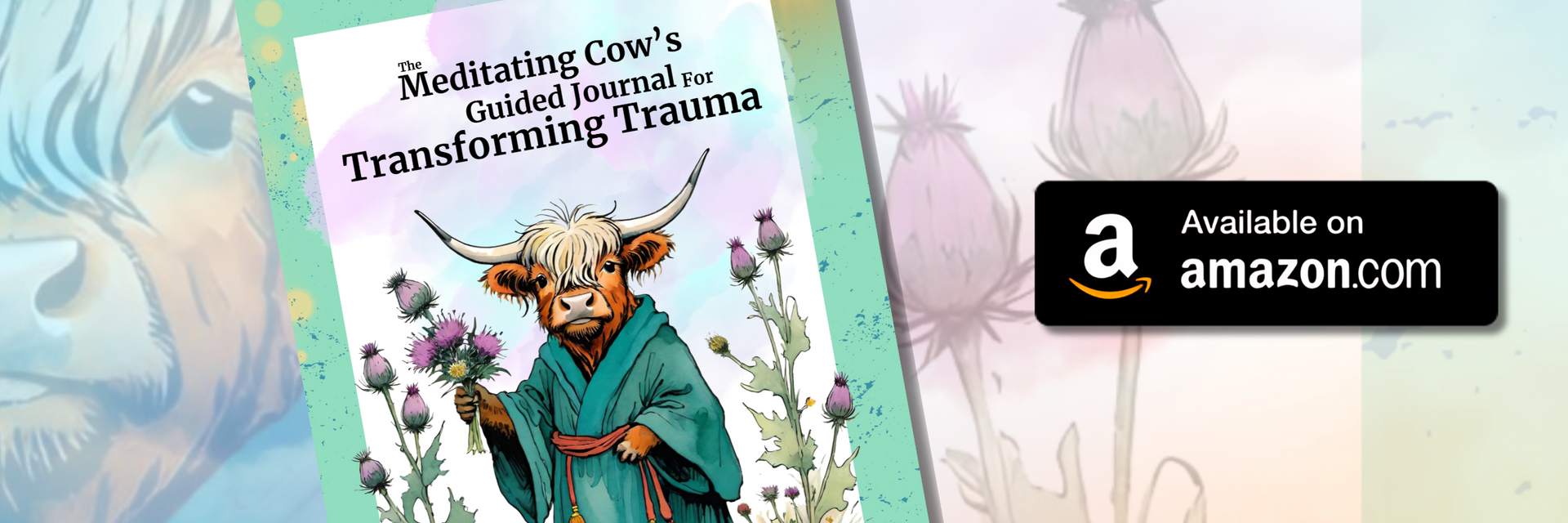
In addition to conventional therapies, holistic approaches can play a vital role in healing disorganized attachment. Journaling allows individuals to explore and process their emotions, providing a safe space for self-reflection. Affirmations can help rewire negative self-beliefs, fostering a sense of self-worth and empowerment. Other holistic practices include mindfulness meditation, yoga, and energy healing, which can help balance the mind, body, and spirit.
Journaling and Affirmations
Journaling is a powerful tool for self-discovery and emotional processing. By putting thoughts and feelings into words, individuals can gain clarity and insight into their internal world. Affirmations, on the other hand, help shift negative self-talk to positive, reinforcing a sense of self-love and resilience. Regular practice of both can lead to profound personal growth and healing.
Other Holistic Practices
Mindfulness meditation helps individuals stay present and reduce anxiety. Yoga combines physical movement with breathwork, promoting relaxation and emotional balance. Energy healing modalities like Reiki can help release blocked energy and restore harmony. These practices, when combined with conventional therapies, offer a comprehensive approach to healing disorganized attachment.
Conclusion: A Journey of Healing and Self-Discovery
Healing from disorganized attachment is a journey of self-discovery and transformation. It requires courage, patience, and a willingness to explore the depths of one's psyche. By combining conventional therapeutic modalities with holistic practices, individuals can cultivate a sense of inner peace and resilience. Remember, the path to healing is not linear, but every step taken is a testament to your strength and fortitude.
*C.J. Hamilton is an Internationally Certified Alternative Healing & Mental Health Practitioner, specialized in the integration of Spirituality & Psychotherapy, a Medical Astrologist, and an accredited member of the International Association of Therapists. With a passion for holistic wellness, C.J. provides insightful guidance to help individuals align their lives with their authentic selves, fostering harmony and balance.
At Airmid Alternative Healing Arts, we offer a holistic approach to healing and personal growth. Our alternative healing arts and services are designed to help you find balance, clarity, and inner peace. Let us guide you on your journey to a more fulfilling and heart-centered life.
share this
Related Articles
Related Articles