Trauma in Marginalized Communities: A Holistic Approach to Healing
Trauma is a pervasive force that can leave deep scars on the psyche, especially within marginalized communities. People of color, LGBTQ+ individuals, and refugees often face unique and compounded forms of trauma due to systemic oppression, discrimination, and socio-economic disparities. Understanding and addressing these traumas require a culturally sensitive and holistic approach to healing.
Understanding Trauma in Marginalized Groups
Trauma in marginalized communities is often multi-layered, stemming from both personal and collective experiences. For people of color, historical and ongoing racial discrimination can lead to a sense of perpetual threat and hypervigilance. This is not just an individual experience but a collective one, passed down through generations and reinforced by systemic inequities.
LGBTQ+ individuals frequently encounter trauma rooted in societal rejection, stigmatization, and violence. The internal conflict of identity suppression, fear of coming out, and the threat of physical or emotional abuse can lead to profound psychological distress. The intersectionality within the LGBTQ+ community, such as being a person of color and queer, can further exacerbate these experiences.
Refugees, on the other hand, often carry the trauma of displacement, loss, and the harrowing experiences of war or persecution. The journey to a new land, fraught with uncertainty and danger, combined with the struggle to integrate into a foreign society, can leave deep emotional and psychological wounds.
Culturally Sensitive Approaches to Healing
To effectively address trauma in these communities, it is crucial to adopt culturally sensitive and holistic healing practices. Traditional psychotherapeutic methods must be adapted to acknowledge and respect the cultural contexts of the individuals seeking help.
Community-Centered Healing: For many marginalized groups, healing is a communal process. Creating safe spaces where individuals can share their stories and experiences within a supportive community can be incredibly therapeutic. This collective approach helps to validate personal experiences and fosters a sense of belonging and solidarity.
Incorporating Cultural Practices: Integrating traditional healing practices and rituals can be powerful. For instance, incorporating indigenous healing ceremonies, spiritual practices, or cultural art forms can provide a sense of connection to one's heritage and identity, facilitating deeper healing.
Mind-Body Therapies: Holistic approaches that focus on the mind-body connection, such as yoga, meditation, and energy healing, can be particularly beneficial. These practices help individuals reconnect with their bodies, release stored trauma, and cultivate inner peace and resilience.
Trauma-Informed Care: Practitioners must be trained in trauma-informed care, which emphasizes understanding, recognizing, and responding to the effects of all types of trauma. This approach ensures that the care provided is empathetic, non-judgmental, and tailored to the individual's specific needs and cultural background.
Addressing Systemic Issues: Healing from trauma also involves addressing the systemic issues that perpetuate it. Advocacy and activism play a critical role in creating societal change and reducing the sources of trauma for marginalized communities. Empowering individuals to become advocates for their rights can also be a form of healing.
Holistic Wellness and Spiritual Awakening
Holistic wellness is essential in the journey of healing from trauma. This involves nurturing the mind, body, and spirit to achieve a state of balance and harmony. Encouraging practices that promote self-care, mindfulness, and spiritual growth can help individuals navigate their trauma and move towards a state of holistic wellness.
Spiritual awakening, or the process of becoming more attuned to one's inner self and the universe, can also be a profound aspect of healing. For many, this involves exploring spiritual beliefs, connecting with nature, and engaging in practices that foster a deep sense of peace and purpose.
Conclusion
Trauma in marginalized communities is a complex and multifaceted issue that requires a compassionate, culturally sensitive, and holistic approach to healing. By acknowledging the unique experiences of people of color, LGBTQ+ individuals, and refugees, and incorporating culturally relevant practices and community-centered healing, we can create pathways to recovery and empowerment. Embracing holistic wellness and fostering spiritual awakening can further support individuals in reclaiming their power and achieving a state of inner harmony.
*C.J. Hamilton is an Internationally Certified Alternative Healing & Mental Health Practitioner, specialized in the integration of Spirituality & Psychotherapy, a Medical Astrologist, and an accredited member of the International Association of Therapists. With a passion for holistic wellness, C.J. provides insightful guidance to help individuals align their lives with their authentic selves, fostering harmony and balance.
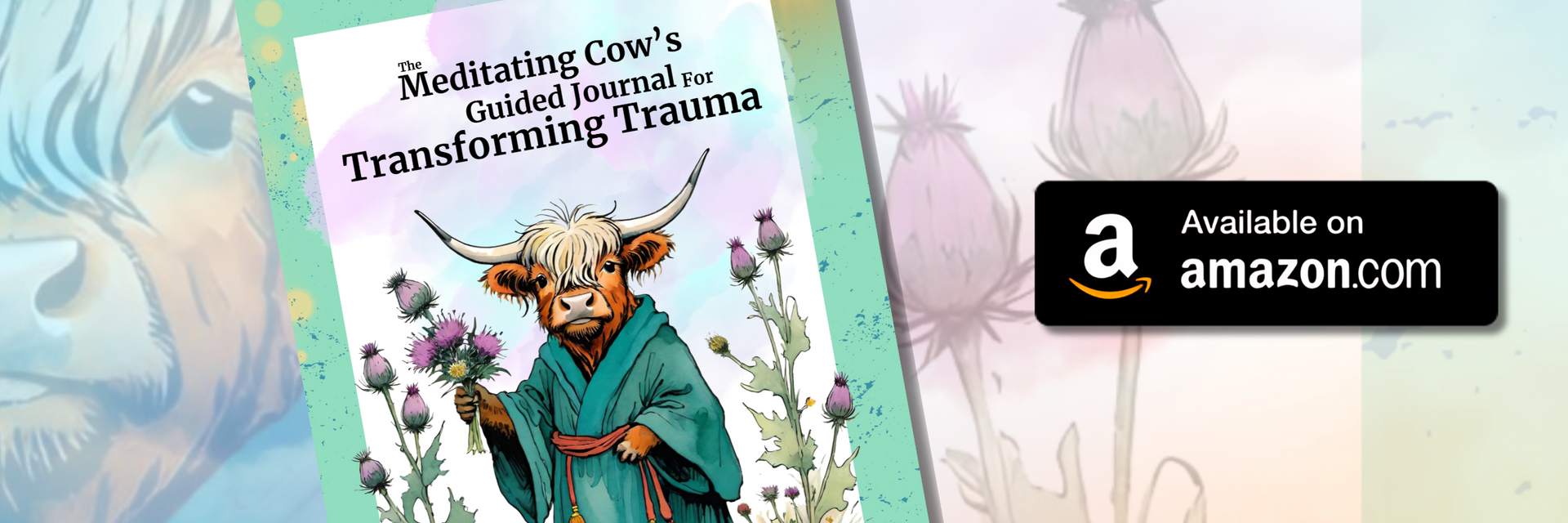
At Airmid Alternative Healing Arts, we offer a holistic approach to healing and personal growth. Our alternative healing arts and services are designed to help you find balance, clarity, and inner peace. Let us guide you on your journey to a more fulfilling and heart-centered life.
share this
Related Articles
Related Articles